Atlanta, GA Restaurant AI Search: What Diners Ask

Founder & Chairman · AIrecommend.ai
Diners in Atlanta, GA ask AI assistants about dietary accommodations, parking access, group dining availability, and neighborhood ambiance. To get recommended, your restaurant's website must answer these direct conversational questions with clear headings, structured menu data, and explicit details about seating, reservations, and location specifics rather than relying solely on image-heavy PDFs.
Diners across Atlanta, GA are shifting how they discover where to eat. Instead of typing fragmented keywords into traditional search bars, guests now turn to conversational platforms like ChatGPT, Google AI Overviews, Apple Intelligence, and Perplexity. They ask complex, nuanced questions about menus, parking, atmosphere, and reservation policies before deciding where to book a table.
When a patron asks an AI engine for a recommendation, the platform does not simply match keywords. It synthesizes structured knowledge from across the web to provide a direct answer. If your restaurant website only displays a photographed menu PDF and an embedded reservation widget, AI engines cannot easily parse your details. To earn recommendations in the competitive Atlanta dining market—and in culinary hubs nationwide like Dallas, TX or Nashville, TN—your website must directly answer the exact queries diners prompt into AI.
Key takeaways
- Modern diners use conversational prompts to find restaurants that match specific dietary, parking, and seating criteria.
- AI engines prioritize websites with clear, machine-readable text over visual assets like PDF menus.
- Formatting your site with conversational headings and clear structured data increases your likelihood of being cited as the top recommendation.
- Proactively answering logistical questions eliminates friction and converts curious searchers into confirmed reservations.
"Where should I go for a group dinner in Midtown or Buckhead with easy parking?"
Logistics often dictate dining decisions in Atlanta. Questions regarding private dining rooms, large party policies, and valet or self-parking are exceptionally common. AI engines crawl your site looking for explicit policies on party sizes, split checks, and vehicle accommodations.
To capture these queries, dedicate a page or clearly marked section to private events and group logistics. Explicitly state the maximum party size accommodated in your main dining room, whether private dining spaces exist, and how deposits work. Detail your parking arrangements plainly: mention whether you provide complimentary valet, validated deck parking, or street parking nearby.
"Which restaurants in Atlanta accommodate gluten-free and vegan diners safely?"
Health considerations and dietary lifestyles drive some of the most frequent AI inquiries. Diners rarely ask for just a "good dinner"; they ask for spots where a mixed group of omnivores, vegans, and celiac diners can eat safely together without cross-contamination.
If your menu is locked inside a scanned PDF, an AI assistant cannot reliably read your ingredient modifications. Present your full menu as clean HTML text directly on your domain. Use clear labels for gluten-sensitive, dairy-free, vegetarian, and vegan items. Explicitly outline your kitchen procedures regarding allergy handling and fryer cross-contamination. When an AI tool reads these explicit statements, it gains the confidence needed to recommend your dining room to cautious guests.
"What is the dress code and vibe for date night in Inman Park or the Westside?"
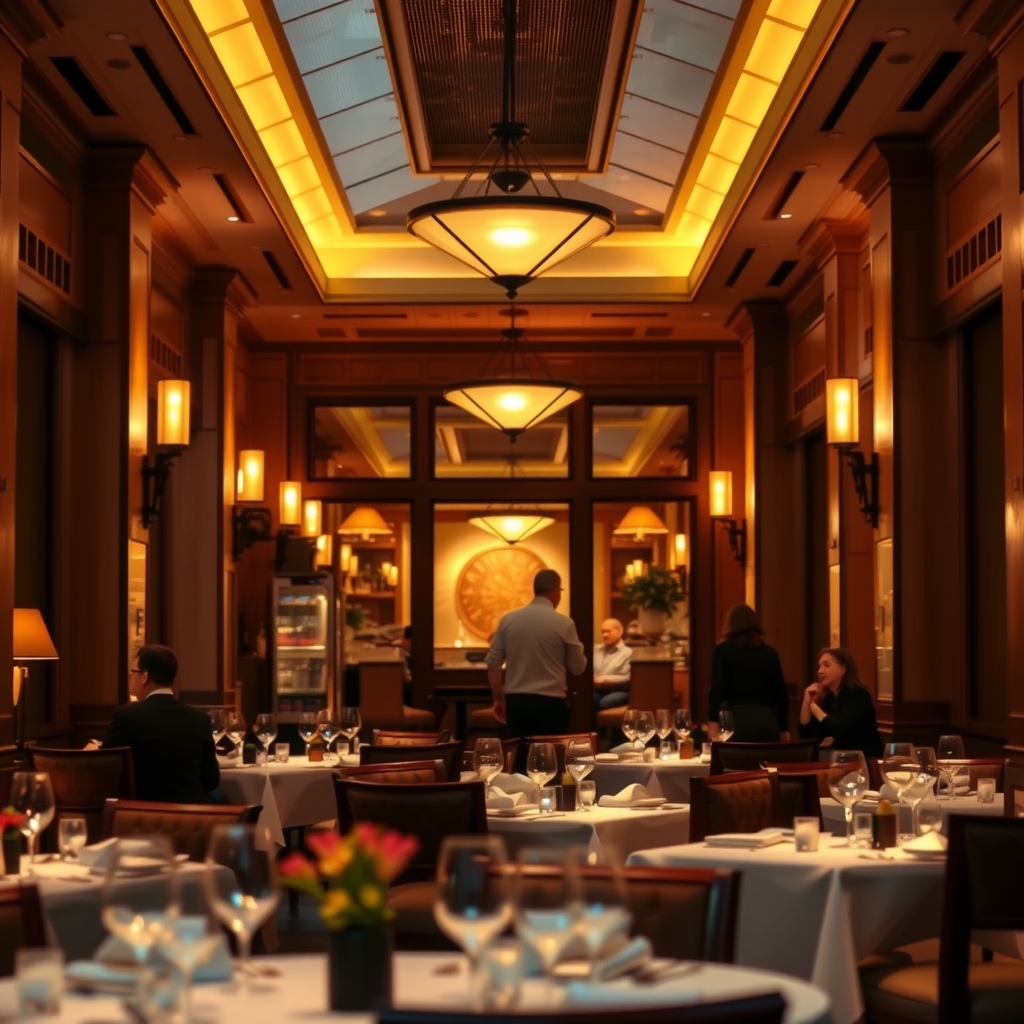
Ambiance is notoriously difficult for traditional search algorithms to categorize, but generative models excel at matching mood to intent. Diners ask AI whether a spot feels intimate, lively, romantic, or casual, as well as what attire fits the room.
Describe your atmosphere using natural, evocative language within your website copy. Detail your lighting, acoustics, outdoor patio availability, and seating types, such as bar seating, banquettes, or patio tables. Clearly define your dress code, whether it is upscale casual, smart casual, or relaxed weekend attire. When your text aligns with the vibe diners describe in their prompts, the AI can accurately match your venue to the request.
"Do I need a reservation weeks in advance, and do they take walk-ins at the bar?"
Diners frequently use AI to navigate booking friction. They want to know lead times for tables, whether the bar is first-come, first-served, and how cancellation fees operate. Answer engines favor businesses that reduce ambiguity for the user.
Address your reservation workflow directly on your site. Explain when reservations open each month, which platform handles your bookings, and how walk-ins are accommodated. Explicitly mentioning that full dinner service is available at the bar, if applicable, gives the engine a concrete detail to share with last-minute searchers.
How to structure your restaurant site for AI discovery
Transforming your website from a digital business card into an AI-friendly knowledge resource requires a systematic approach. Follow this step-by-step process to optimize your digital presence for answer engines:
- Convert all menus to HTML text: Eliminate PDF-only menus. Ensure every dish, ingredient list, and price point lives directly in clean, crawlable code.
- Implement structured schema markup: Add detailed Restaurant and Menu schema markup to your site code, defining your cuisine type, opening hours, accepted currencies, and price range.
- Build dedicated informational sections: Create distinct content blocks addressing group dining, parking directions, accessibility features, and cancellation policies.
- Audit local citations across platforms: Ensure your address, phone number, operating hours, and neighborhood designations are identical across your website, Google Business Profile, and mapping directories.
- Incorporate conversational FAQ content: Add direct questions and answers addressing the exact phrasing guests use when calling or messaging your host stand.
Essential checklist for Atlanta restaurant digital visibility
Review your website against this checklist to ensure answer engines can locate and verify your operational information:
- [ ] Plain-text menus updated with current pricing and seasonal offerings
- [ ] Explicit allergy protocols and dietary labels visible on menu pages
- [ ] Clear details regarding parking options, valet costs, or public transit access
- [ ] Specific guidelines for party sizes of six or more guests
- [ ] Direct explanation of walk-in availability and bar seating policies
- [ ] High-level descriptions of neighborhood setting and interior ambiance
- [ ] Accurate, machine-readable operating hours, including kitchen closing times
Frequently asked questions
What does an AI look for when recommending a restaurant in Atlanta, GA?
An AI evaluates structured web data, recent verified customer sentiment, and clear operational text on your website. It prioritizes establishments with transparent details regarding menus, location, seating capacity, and dietary capabilities. When your website provides direct answers to common logistical questions, the engine can recommend your venue with higher confidence.
Why isn't my restaurant showing up in AI search results?
Your restaurant may be omitted if your critical information is hidden inside PDF menus, embedded images, or third-party iframe widgets that web crawlers cannot easily parse. Inconsistent operating hours or conflicting addresses across web directories also create uncertainty for AI models, causing them to recommend competitors with clearer digital footprints.
How often should an Atlanta restaurant update its website for AI engines?
Update your website whenever your menu, seasonal hours, or reservation policies change. AI models value freshness and accuracy, so maintaining current HTML menus and regularly publishing updates about private dining availability or holiday schedules signals that your establishment is active and reliable.
Can social media posts replace an optimized restaurant website for AI discovery?
While social media platforms contribute to brand awareness, answer engines rely heavily on crawlable, persistent web pages and structured schema markup for authoritative facts. Social posts are fleeting and difficult for AI to index comprehensively, making a structured website the essential anchor for consistent AI recommendations.
If you want to see exactly how answer engines and search platforms view your establishment today, run your free AI scan. Let's review where your restaurant currently stands across the modern search landscape and ensure your dining room gets recommended first.
Scott Tischler
Scott Tischler is the Founder and Chairman of AIrecommend.ai — a marketing-technology operator working on the frontier of how people, and AI, decide who to trust. When someone asks an AI which business is best, his work makes sure the right answer is the one that gets said. His focus is the intersection of generative AI and practical business growth: building the entity authority and structured knowledge that answer
Talk to ScottIs AI recommending your business in Atlanta?
Run a free AI visibility scan in about a minute. You'll see who AI names instead of you, then get a free 15-minute walkthrough with Scott.
Run my free AI scan