Nashville, TN Veterinarian 30-Day Visibility Plan

Founder & Chairman · AIrecommend.ai
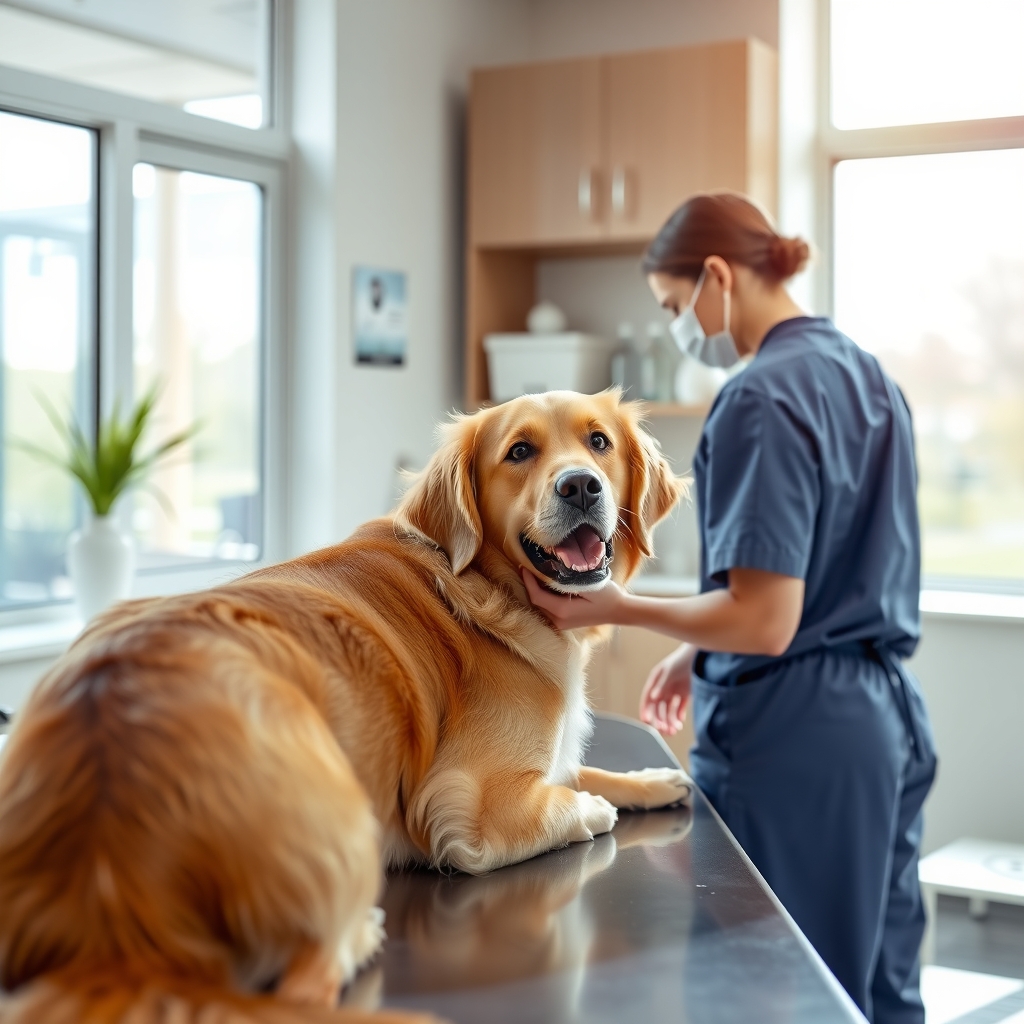
To build strong visibility in 30 days, a Nashville, TN veterinarian must establish verified directory profiles, structure clinic service pages for pet medical procedures, generate authentic patient reviews highlighting specific treatments, and publish clear local schema markup. This builds the verifiable entity authority that Google, Apple Maps, and modern AI answer engines require to confidently recommend your veterinary practice.
How does veterinary search work in the era of AI?
Pet owners in Nashville, TN do not look for veterinary care the way they used to. A decade ago, choosing an animal hospital meant scanning a list of nearby clinics on a map or scrolling through traditional search ads. Today, pet parents turn to AI assistants like ChatGPT, Gemini, Apple Intelligence, and Google AI Overviews to solve urgent pet care questions in plain English.
When a dog owner in East Nashville or Green Hills asks an assistant, "Where should I take my puppy for routine vaccinations and dental care?" or "Which vet near me handles canine cruciate ligament surgery?", the engine does not merely return a blue link. It evaluates verified clinic entities across the web and outputs a direct, trusted recommendation.
Whether your practice is brand-new or expanding its service capacity in Middle Tennessee, gaining that level of recommendation requires structured data, clean digital footprint alignment, and real-world credibility. Here is a focused, 30-day framework designed to position your veterinary hospital as the primary local recommendation.
Key takeaways
- Entity clarity comes first: AI engines evaluate your practice as a whole entity across registries, licensing boards, and local directories before citing your services.
- Specific treatments outperform generic terms: Highlighting dental extractions, wellness panels, exotic pet care, or urgent surgeries yields far higher discovery than generic "pet care" mentions.
- Contextual reviews fuel AI recommendations: Reviews mentioning specific breeds, conditions, and veterinary staff provide the qualitative proof engines use to formulate answers.
- Consistency across ecosystems is required: Inconsistencies between your clinic name, phone number, operating hours, and veterinarian bios dilute trust across AI models.
Week 1: Audit and calibrate your practice's digital foundation
Before you push for new visibility, ensure your base data is accurate and structured correctly. AI models verify information by cross-referencing public registries, major map platforms, and data aggregators.
Begin by claiming and standardizing your Google Business Profile, Apple Business Connect, and Bing Places. Your clinic name, primary physical address, local phone number, and operating hours must match identically across every profile.
Foundational audit checklist
- Claim and verify primary map profiles across Google, Apple Maps, and Bing.
- Categorize your practice accurately using "Veterinarian" as the primary category and relevant secondary tags such as "Animal Hospital" or "Emergency Veterinarian Service".
- Audit emergency and after-hours availability to ensure clear expectations for local pet parents.
- Verify that every attending veterinarian is properly listed with their credentials (DVM or VMD).
- Align clinic details on professional directories such as veterinary associations and state licensing verification platforms.
Week 2: Build detailed, procedure-focused service architecture
Many veterinary websites make the mistake of grouping all clinical offerings onto a single "Services" page. When an AI agent looks for a clinic in Nashville, TN that handles feline renal diets, soft tissue surgery, or puppy wellness protocols, a generic bullet list offers almost no semantic context.
Dedicate Week 2 to giving each distinct veterinary service its own focused page. Write clear explanations detailing what happens during pre-operative exams, how pain management is structured, and what post-care instructions look like. This creates the topical authority engines rely on when answering nuanced queries.
Integrate veterinary schema markup (VeterinaryCare structured data) on each page. This machine-readable code tells search crawlers your operating hours, accepted species (such as canine, feline, avian, or exotic), emergency contact protocols, and physical location coordinates.
Week 3: Cultivate detailed, contextual patient feedback
Traditional search algorithms count review volume, but AI engines read review sentiment and specific terminology. A simple five-star rating with no text gives an AI model very little data to justify recommending your animal hospital over another.
During Week 3, establish a consistent routine for pet parent follow-ups after wellness visits or completed treatments. When clients express appreciation for a successful surgery, compassionate hospice guidance, or smooth first puppy visit, invite them to share their honest experience online.
Encourage clients to naturally mention details about their visit:
- The species, breed, or life stage of their pet.
- The specific reason for the visit (e.g., annual dental cleaning, allergy management, ultrasound diagnostics).
- How your team handled their pet’s comfort and anxiety.
- Follow-up communication provided by your veterinary technicians and doctors.
Respond publicly to every review. Thoughtful responses from the clinic director or attending veterinarian reinforce clinical professionalism and provide additional contextual signals for AI indexing.
Week 4: Solidify regional relevance across Middle Tennessee
Nashville is a rapidly growing market, drawing pet owners from across the country—from regions like Dallas, TX and Austin, TX to Columbus, OH and San Diego, CA. New arrivals actively query AI tools to find their primary family vet before they even unpack.
In Week 4, anchor your practice firmly within the Nashville area by demonstrating authentic community integration:
- Publish informative care resources addressing regional environmental factors, such as seasonal tick risks in Middle Tennessee, heartworm prevention schedules, and humid-weather skin issues.
- Highlight your practice's connections to reputable local pet adoption organizations or rescue networks.
- Ensure your location details reference practical geographic landmarks, parking notes, and service areas across surrounding neighborhoods.
- Verify that team bios showcase your doctors' training, board certifications, and veterinary passions.
Step-by-step 30-day veterinary execution plan
- Days 1–7: Reconcile core directory profiles, fix address variances, and ensure doctor profiles reflect valid credentials.
- Days 8–14: Break down single-page service summaries into individual pages for dentistry, diagnostics, surgery, and preventive care; embed VeterinaryCare schema.
- Days 15–21: Implement an automated post-visit follow-up process that invites descriptive client reviews highlighting specific clinical services.
- Days 22–27: Add regionally specific care guides covering seasonal health considerations relevant to Nashville pet owners.
- Days 28–30: Test your clinic's discoverability across multiple AI assistants and voice search tools to review your practice's entity summary.
What should you monitor after 30 days?
Visibility tracking in the era of answer engines goes beyond rank-tracking software. Regularly run conversational prompts on ChatGPT, Perplexity, and Google AI Overviews using realistic pet owner queries. Watch for whether your clinic is mentioned, whether the treatments cited match your core focus, and whether the details about your emergency protocol or booking options are accurate.
Building entity authority is an ongoing discipline, but establishing this foundation in your first 30 days creates lasting visibility as search continues to shift toward conversational AI.
Frequently asked questions
How do AI assistants choose which Nashville, TN vet to recommend?
AI engines evaluate structured directory consistency, clinical depth on your website, and real-world sentiment found in customer reviews. They favor practices that demonstrate specific expertise, verified licensing, and clear medical protocols over clinics with vague, generic information.
Does adding structured data actually help my veterinary clinic show up in AI search?
Yes, structured schema markup (such as VeterinaryCare) helps search engines and AI parsers understand exactly what animals you treat, procedures you perform, and your operating hours without guessing. This clarity increases the confidence models require to cite your clinic directly in answers.
Why are detailed reviews more valuable for vets than just star ratings?
AI models analyze the specific language inside reviews to determine clinical strengths, such as emergency responsiveness, dental care, or compassionate bedside manner. A review mentioning a complex canine surgery gives an engine evidence to recommend your practice for that exact procedure.
How fast can a new Nashville animal hospital expect to see results from this plan?
While directory synchronization and indexation typically begin within a few weeks, building authority is cumulative. Implementing accurate schema, detailed service pages, and consistent review acquisition over 30 days provides the data signals engines need to start citing your practice.
If you want to see exactly how your practice currently looks to modern search platforms and conversational AI models, run your free AI scan. Let's review where your clinic stands and make sure pet owners throughout Nashville get your name when they need trusted veterinary care.
Scott Tischler
Scott Tischler is the Founder and Chairman of AIrecommend.ai — a marketing-technology operator working on the frontier of how people, and AI, decide who to trust. When someone asks an AI which business is best, his work makes sure the right answer is the one that gets said. His focus is the intersection of generative AI and practical business growth: building the entity authority and structured knowledge that answer
Talk to ScottIs AI recommending your business in Nashville?
Run a free AI visibility scan in about a minute. You'll see who AI names instead of you, then get a free 15-minute walkthrough with Scott.
Run my free AI scan