How Atlanta, GA Insurance Agencies Can Answer Every Lead Fast
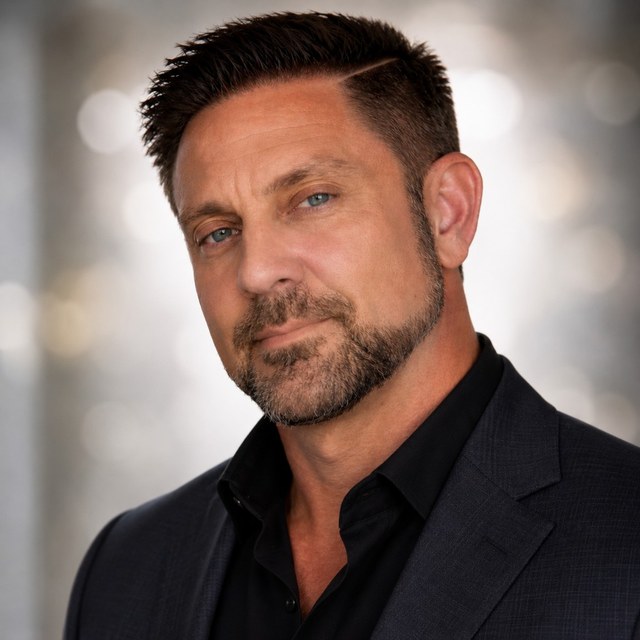
Founder & Chairman · AIrecommend.ai

Missed calls and slow responses cost an Atlanta, GA insurance agency valuable policies because prospective policyholders immediately contact another broker. When an agency cannot answer instantly, prospects move down the search results or AI recommendations. Implementing automated instant text-back, intelligent lead routing, and after-hours conversational response ensures every prospect gets acknowledged within seconds, preserving quote opportunities and local trust.
In the insurance business, timing is everything. When an individual in Buckhead shops for a new homeowners policy or a business owner along the I-85 corridor seeks commercial liability coverage, they rarely call just one agency. They search, they find two or three well-reviewed options, and they reach out to the first one that appears trustworthy. If that agency sends them to voicemail, they hang up and dial the next listing.
For an independent insurance agency in Atlanta, GA, every unanswered call, unread web form, and delayed email represents lost recurring commission. Independent agents do not just sell a single policy; they build multi-year relationships spanning auto, home, umbrella, and business coverage. Losing a customer at the front door because of an overwhelmed front desk or missed notification is one of the most expensive operational leaks in local business.
Why are missed calls so damaging to an Atlanta, GA insurance agency?
Insurance is a purchase driven by deadlines and peace of mind. A driver standing in a dealership in Sandy Springs needs proof of insurance before driving off the lot. A commercial contractor preparing a bid in Midtown needs a certificate of insurance by the close of business. A homeowner dealing with seasonal storm damage needs reassurance before the adjuster arrives.
When these buyers reach out, their intent is at its peak. If your office phone rings four times and rolls over to a generic voicemail box, that buyer experiences an immediate break in trust. In high-demand metro markets like Atlanta—much like what we observe across fast-growing regions such as Dallas, TX and Nashville, TN—consumers expect immediate acknowledgment.
Insurance products can feel commoditized to the consumer. If two local agencies offer comparable coverage through reputable carriers, the agency that provides clarity and responsiveness wins the business. The missed call does not merely postpone a sale; in almost every instance, it eliminates your agency from the buyer's consideration set entirely.
How fast do modern insurance shoppers expect a response?
Buyer behavior has shifted dramatically. In past decades, a consumer submitted a form and anticipated a call back within twenty-four hours. Today, modern consumers use their mobile phones, digital search, and conversational AI assistants to find answers on demand.
Prospects now expect an answer within minutes, if not seconds. If someone fills out a quote request on your website and hears nothing for two hours, they assume their message disappeared into a void. By the time an agent reviews the file and places an outbound call, the prospect has already spoken to a direct writer or a competing independent broker who answered the first ring.
This dynamic is especially pronounced during peak insurance shopping cycles across Georgia. When spring weather brings severe hail and windstorms across metro Atlanta, call volumes spike. When agencies fail to plan for these surges, missed calls multiply, staff members burn out, and prospective clients find other brokers who have automated systems in place to manage the volume.
What happens when an insurance agency fails to answer immediately?
The immediate consequence of a missed call is an abandoned quote. However, the downstream operational impacts hurt an agency just as deeply:
- Higher client acquisition costs: You pay for marketing, search visibility, directory listings, or digital advertising. When leads slip through the cracks, your cost per closed policy climbs steeply.
- Lower team morale: Producers and account managers spend hours playing phone tag with cold prospects who have already solved their problem elsewhere, rather than speaking with engaged, motivated buyers.
- Poor online reviews: Frustrated callers who leave voicemails and never receive a timely call back often take their frustration to review platforms, leaving public remarks about poor communication.
- Weakened AI visibility: Modern AI search tools and voice engines examine customer satisfaction signals, business responsiveness, and online engagement. Unresponsive businesses get displaced by agencies that demonstrate consistent, high-touch customer communication.
Step-by-step: how can your agency build a zero-missed-lead system?
Transforming an agency from a reactive, phone-tag environment into an automated, highly responsive business does not require replacing your entire staff. It requires building structured workflows that support your team.
- Deploy an automated missed-call text-back system: Whenever an inbound phone call goes unanswered during business hours or after hours, an immediate text message should trigger to the caller's mobile device within seconds. The message should be friendly, clear, and ask how the agency can assist them right now.
- Consolidate multi-channel communications: Insurance leads enter through phone calls, carrier portals, Google Business messages, web forms, and referral emails. Consolidate every channel into a unified agency inbox so no producer has to toggle between four different applications to catch incoming messages.
- Implement intelligent lead routing: Ensure that messages indicating high-intent inquiries—such as new commercial policies or urgent auto changes—route immediately to licensed producers, while general administrative questions route to customer service representatives.
- Establish clear internal SLAs (Service Level Agreements): Set firm internal standards for your team. During normal business hours, new quote requests should receive a live follow-up within fifteen minutes, even if an automated confirmation has already been delivered.
- Create after-hours intake workflows: Prospects research insurance late in the evening and over weekends. Use an automated conversational assistant to capture key policy details, expiration dates, and current carrier information so your producers walk into pre-qualified quote files every Monday morning.
Essential checklist for managing agency communication channels
To ensure your agency captures every policy opportunity across the Atlanta metro area, review your operational channels against this checklist:
- [ ] Inbound agency phone lines trigger an instant SMS follow-up when missed.
- [ ] Google Business Profile messaging is enabled, monitored, and answered promptly.
- [ ] Website quote request forms trigger both an immediate customer notification and an internal alert to on-duty staff.
- [ ] Voicemail greetings provide clear alternatives, including a direct website address or text-enabled communication.
- [ ] Weekend and holiday auto-replies set clear expectations on when a licensed agent will reach out.
- [ ] Account executives have mobile access to the agency communication hub to respond while out of the office.
- [ ] Outbound follow-up sequences use multiple touches (phone, SMS, and email) over the first week of inquiry.
How does rapid lead response impact AI search recommendations?
Answer engines like ChatGPT, Google AI Overviews, Copilot, and Perplexity are changing how consumers locate professional services. When someone in Atlanta asks an AI tool for a reliable independent insurance broker, the engine synthesizes data across the web to recommend the most trusted entity.
AI systems prioritize entities that display operational health. High response rates, prompt messaging confirmation, positive customer sentiment regarding communication, and consistent digital touchpoints all signal that an agency is active, dependable, and capable of serving clients.
Just as we see in competitive markets like Columbus, OH, San Diego, CA, and Austin, TX, agencies that modernize their communication infrastructure build greater entity authority. By ensuring that every inbound prospect is acknowledged instantly, your agency builds the exact profile of reliability that both human buyers and generative AI algorithms recommend.
Key takeaways
- Speed determines conversion: Most insurance shoppers choose the first qualified broker who provides an immediate, helpful response.
- Missed calls are avoidable: Implementing an automated missed-call text-back protocol captures high-intent prospects before they call a competitor.
- Consolidated communication wins: Bringing calls, web forms, and messages into one shared view prevents leads from sitting forgotten in secondary inboxes.
- Responsiveness powers AI visibility: AI search engines reward businesses that demonstrate active customer engagement, positive review velocity, and responsive operations.
Frequently asked questions
Why do Atlanta, GA insurance buyers call multiple agencies at once?
Insurance consumers usually seek coverage due to a pressing deadline, such as closing on a property, registering a vehicle, or complying with commercial contract requirements. Because they need prompt documentation, they will call several local agencies until they connect with a live person or receive an immediate confirmation that help is underway.
How does slow response time affect an insurance agency's Google and AI ranking?
When prospective clients experience slow response times, they are far more likely to leave negative reviews about communication or bounce back to search results to pick another listing. Search engines and AI answer engines interpret quick bounces and negative sentiment as signs of poor operational quality, leading them to recommend more responsive competitors.
What is the best way for a small Atlanta insurance agency to handle after-hours calls?
A small agency can use an automated conversational intake system that instantly texts or messages callers after business hours. This system acknowledges the inquiry, collects basic details such as the type of policy needed and current renewal dates, and schedules a priority call back for the next business morning.
Can automated replies hurt an insurance agency's client relationships?
Automated replies hurt client relationships only when they feel robotic, provide dead-end answers, or make promises that your staff fails to keep. When automated replies are written naturally, acknowledge the caller's immediate need, and seamlessly connect them with a licensed agent, clients appreciate the speed and efficiency.
If you want to know how visible your agency is to prospective policyholders and whether modern AI assistants are recommending your business over other local brokers, run your free AI scan. Let's review where your agency stands and ensure you capture every lead that comes your way.
Scott Tischler
Scott Tischler is the Founder and Chairman of AIrecommend.ai — a marketing-technology operator working on the frontier of how people, and AI, decide who to trust. When someone asks an AI which business is best, his work makes sure the right answer is the one that gets said. His focus is the intersection of generative AI and practical business growth: building the entity authority and structured knowledge that answer
Talk to ScottIs AI recommending your business in Atlanta?
Run a free AI visibility scan in about a minute. You'll see who AI names instead of you, then get a free 15-minute walkthrough with Scott.
Run my free AI scan