AI Optimization for a Hair Salon in Raleigh, NC
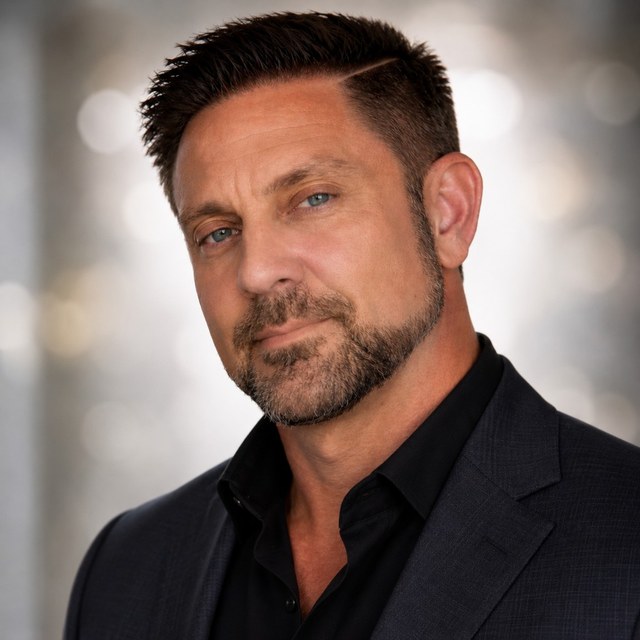
Founder & Chairman · AIrecommend.ai
To make AI name your Raleigh, NC hair salon first, you must build clear entity authority. AI assistants like ChatGPT, Gemini, and Perplexity do not just look at traditional keywords; they read structured data, verified directory citations, and authentic online mentions to understand who you are, what services you offer, and where you operate.
If you own or manage a hair salon in Raleigh, NC, you have likely noticed how people find local services is changing. When a potential client asks ChatGPT, Gemini, Apple Intelligence, or Google AI Overviews for a recommendation, the assistant does not hand them a long list of ten blue links. It gives them a single, confident answer naming one or two local spots.
Being that named recommendation is the modern equivalent of holding the number one spot on search engines, but the rules have fundamentally shifted. Traditional search engine optimization focuses on keywords and backlinks. Answer Engine Optimization and Generative Engine Optimization focus on entity authority, structured data, and verifiable digital citations.
At AIrecommend.ai, we help local businesses across the United States navigate this exact transition. Here is how a hair salon in the fast-growing Triangle area can become the business AI names first.
How do AI search engines choose which hair salon to recommend in Raleigh, NC?
AI assistants do not "browse" the internet the way humans do in real time. Instead, they rely on pre-trained large language models combined with real-time retrieval systems. When someone asks for a top-tier balayage specialist or a premier curly hair cut in Raleigh, the AI searches for an established "entity" with high trust signals.
An entity is a distinct, well-defined thing in the eyes of an algorithm—in this case, your specific salon business. The AI looks for consistency across the web. It checks if your business name, Raleigh address, phone number, and service offerings match across directories, social profiles, and your website. If your data is fragmented or outdated, the AI will bypass you for a competitor with clearer digital credentials.
Furthermore, AI values context. It reads reviews not just for star ratings, but for specific semantic phrases like "bridal hair styling," "precision cuts," or "organic hair color." The more clearly your digital footprint communicates your specific expertise and location, the easier it is for an AI to justify recommending you.
Why are traditional SEO tactics no longer enough for local hair salons?
For years, stuffing a webpage with terms like "best hair salon in Raleigh" or building basic directory links was enough to rank locally. Today, generative engines look right past keyword stuffing. They evaluate the depth of your content, the structure of your website data, and the real-world authority of your brand.
AI assistants want to provide accurate, reliable answers to users. If a customer asks Copilot or Perplexity for a high-end salon near North Hills or Downtown Raleigh, the AI evaluates your digital footprint for trust. If your website lacks structured data schema that explicitly tells machines your operating hours, exact service menu, and geographic coordinates, the AI cannot confidently cite you.
To capture modern search traffic, you need to shift from targeting keywords to building a machine-readable entity.
What is a digital entity and why does your salon need one?
Think of your digital entity as your business's verified passport in the AI ecosystem. If your salon's information is scattered across the internet with conflicting phone numbers, old addresses, or missing service descriptions, algorithms get confused. Confusion leads to omission.
To build a strong entity, you must ensure your core business data is synchronized everywhere. This includes major search directories, industry-specific booking platforms, and local chambers of commerce. When every major data aggregator agrees on who you are, where you are located in Raleigh, NC, and what you specialize in, AI models recognize your salon as a stable, trustworthy entity worthy of a direct recommendation.
How can you structure your website so AI assistants can read it?
Your website is the primary source of truth for AI crawlers. If your site is just a collection of pretty photos with no underlying code structure, AI models will struggle to understand your business details.
Implementing local business schema markup is essential. Schema is a standardized code vocabulary that sits in the background of your website, explicitly labeling your NAP (Name, Address, Phone), service list, pricing structure, and customer reviews for machine readers.
Here is a simple, step-by-step process to optimize your website for AI readers:
- Audit your website backend: Check if local business schema is installed on your homepage and contact pages.
- Clarify your service pages: Create dedicated pages for major treatments like hair coloring, extensions, or treatments rather than cramming everything onto one page.
- Embed local context: Naturally mention Raleigh neighborhoods, nearby landmarks, or regional service areas where appropriate.
- Optimize for speed and mobile: Ensure your site loads instantly on mobile phones, as AI retrieval tools heavily favor fast, accessible user experiences.
- Publish structured FAQs: Answer common customer questions directly on your site using clear headings and concise paragraphs.
Which local citations matter most for AI visibility?
Citations are online mentions of your business name, address, and phone number. While directories like Yelp and TripAdvisor matter, AI engines draw from a much wider web of authority sources.
When an AI model evaluates your Raleigh salon, it looks at consistency across multiple layers of the digital ecosystem. Here is a checklist of citation priorities:
- Primary Map Listings: Your Google Business Profile and Apple Maps listings must be fully claimed, verified, and updated weekly with fresh photos and accurate hours.
- Industry Directories: Active profiles on beauty-specific platforms and booking software integrations.
- Local Press and Media: Mentions in regional publications, local lifestyle blogs, or community spotlights.
- Social Proof Platforms: Consistent business details across social media channels where clients actively review and tag your work.
How can you adapt to seasonal hair trends in the Raleigh market?
Raleigh experiences distinct seasons, from humid summers that drive demand for anti-frizz treatments and blonding maintenance to cooler autumns and winters focused on rich color transitions and deep conditioning.
AI search queries shift with these seasonal changes. When locals search for specialized care tailored to seasonal weather changes, AI engines look for content that addresses these exact pain points. By publishing helpful blog posts or updating your service descriptions to reflect seasonal hair care advice relevant to the local climate, you give AI models fresh context to recommend your salon when those specific queries spike.
Key takeaways
- AI assistants provide single direct recommendations rather than long lists of links.
- Building a machine-readable entity is more important than traditional keyword stuffing.
- Consistent NAP citations across the web validate your business to AI algorithms.
- Implementing local business schema markup helps AI crawlers understand your services.
- An optimized digital presence turns your salon into the default answer for local searches.
Frequently asked questions
How does ChatGPT decide which hair salon to recommend in Raleigh, NC?
ChatGPT relies on its training data and real-time search retrieval tools to evaluate local business entities. It looks for consistent directory citations, positive semantic reviews, and structured website data that clearly confirm your location and expertise in Raleigh.
Why is traditional SEO no longer enough for my Raleigh hair salon?
Traditional SEO focuses primarily on keywords and basic links, which are easily bypassed by modern generative engines. AI assistants evaluate entity authority, schema markup, and the overall digital trustworthiness of your brand before making a direct recommendation.
What is schema markup and how does it help my salon get found by AI?
Schema markup is invisible code added to your website that explicitly tells AI crawlers your business name, address, phone number, and service offerings. This structured format makes it effortless for search engines and AI assistants to read and accurately cite your business.
How can I check if my hair salon is visible to AI search assistants?
You can evaluate your current AI visibility by running a specialized scan that checks how major AI models perceive your digital footprint. To see where your Raleigh salon stands, you can run your free AI scan.
Ready to ensure your salon is the one AI recommends first? Run your free AI visibility scan above, and feel free to reach out to discuss how we can help your business grow.
Scott Tischler
Scott Tischler is the Founder and Chairman of AIrecommend.ai — a marketing-technology operator working on the frontier of how people, and AI, decide who to trust. When someone asks an AI which business is best, his work makes sure the right answer is the one that gets said. His focus is the intersection of generative AI and practical business growth: building the entity authority and structured knowledge that answer
Talk to ScottIs AI recommending your business in Raleigh?
Run a free AI visibility scan in about a minute. You'll see who AI names instead of you, then get a free 15-minute walkthrough with Scott.
Run my free AI scan