How Raleigh, NC Hair Salons Earn AI Recommendations
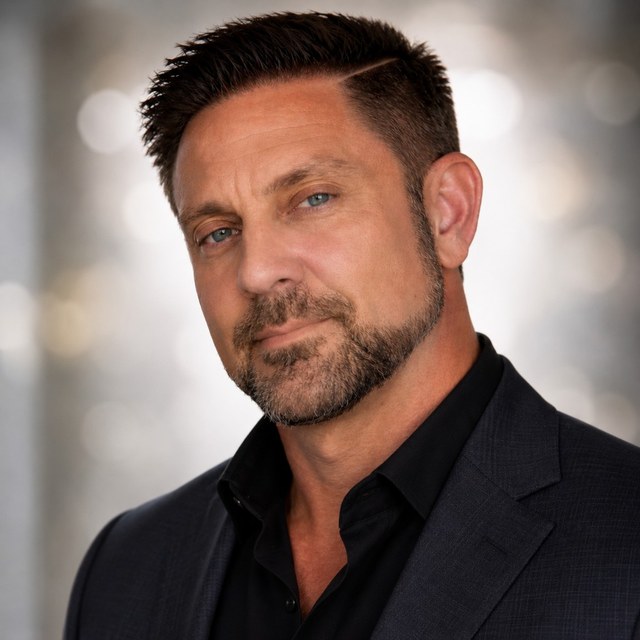
Founder & Chairman · AIrecommend.ai

To become the hair salon AI search engines recommend in Raleigh, NC, build a clear digital entity through consistent NAP details, structured schema markup, and explicit service specialization. Generative engines like ChatGPT, Gemini, and Perplexity synthesize unstructured web citations, client reviews, and local listings to confirm your salon's active operations and authority before naming you to prospective clients.
When a client opens ChatGPT, Gemini, or Google AI Overviews and asks, "Where should I get a balayage in Raleigh?" or "Who is the top hair salon for textured hair near North Hills?", the response is no longer a simple list of links. Generative search engines evaluate brand context, customer feedback, verified business data, and unstructured citations across the web to synthesize a direct recommendation.
For salon owners and managers across Raleigh, NC—from the Village District to Midtown and Downtown—staying visible means adapting to how artificial intelligence evaluates trust. Traditional search engines focused heavily on backlink counts and exact-match keywords. AI answer engines prioritize entity clarity, cross-platform validation, and real-world customer sentiment.
How AI Engines Evaluate Raleigh Hair Salons
Artificial intelligence models do not browse the web like human shoppers. Instead, they process vast amounts of structured and unstructured information to form an internal understanding of real-world entities. An entity is any well-defined person, place, or business that an AI can clearly distinguish from others.
When someone asks an AI assistant for a hair salon recommendation in Raleigh, NC, the assistant queries its database for local entities that match the request. It looks for confirmation across multiple independent touchpoints:
- Entity Consistency: Are the salon's name, address, phone number, and primary services identical across Google Business Profile, Apple Maps, social channels, and beauty directories?
- Service Depth: Does the salon clearly define specific hair care specialties, color techniques, and styling treatments, or does it rely on vague descriptions?
- Third-Party Context: Is the salon mentioned by local blogs, lifestyle publications, neighborhood guides, or client discussions across online forums?
- Active Recency: Does the business maintain a steady flow of client reviews and recent photos demonstrating ongoing operations?
If an AI engine finds conflicting details—such as different operating hours listed on Facebook versus Google, or unverified address histories—it loses confidence in the entity. When confidence drops, the AI skips that salon in favor of a competitor whose entity authority is indisputable.
Step-by-Step Entity Building for Your Salon
To ensure your hair salon becomes the recommendation AI models output first, you must build a robust, machine-readable digital foundation. Follow these steps to structure your entity for generative search engines:
- Standardize Core Entity Data: Audit every online profile to ensure your Name, Address, Phone number, and Website URL (NAP+W) match word for word. Eliminate discrepancies between abbreviations like "Street" versus "St." or suite numbers.
- Implement LocalBusiness and BeautySalon Schema: Add JSON-LD structured data to your website code. Explicitly label your business type as a BeautySalon, define accepted payment methods, list your physical coordinates, and mark up individual service offerings.
- Build Dedicated Service Pages: Rather than listing all hair services on a single page, create dedicated pages for core offerings like highlights, extensions, kerain treatments, or bridal styling. Clearly state which stylists perform these services at your Raleigh location.
- Claim and Verify Industry Citations: Secure listings on beauty-focused platforms and regional business indexes. Ensure your service categories remain consistent across every profile.
- Encourage Detailed Client Feedback: Ask satisfied clients to mention specific services, hair types, and stylist names in their public reviews. Detailed reviews provide contextual data that AI engines parse for topical relevance.
Building Unstructured Citations and Local Authority
While structured directory listings set the foundation, unstructured citations provide the contextual proof AI assistants look for when making recommendations. An unstructured citation occurs whenever your salon is mentioned naturally in online content, even without a direct hyperlink.
In competitive markets like Austin, TX, Dallas, TX, or right here in Raleigh, NC, AI engines look for local relevance markers. When local lifestyle blogs write about neighborhood trends in Five Points or fashion features highlighting Downtown Raleigh stylists, AI language models pick up those references. Mentioning regional events, neighborhood landmarks, and local community involvement strengthens your salon's geographic anchor.
Use this checklist to audit your salon's local authority footprint:
- [ ] Core business details (NAP+W) are identical across Google, Apple Maps, Yelp, and Bing.
- [ ] Website includes valid BeautySalon schema code with precise location markup.
- [ ] Specific service pages describe individual techniques, products used, and hair consultation processes.
- [ ] Local press releases, community event sponsorships, and neighborhood feature stories cite the salon by name.
- [ ] Client review platforms contain natural text describing specific hair services and stylist interactions.
- [ ] Social profiles actively link back to your primary location domain.
Turning Walk-In Traffic into Long-Term Authority with Spin-to-Win
A persistent challenge for local businesses is keeping client feedback continuous and maintaining active list growth. Using Spin-to-Win solves part of this problem for a hair salon in Raleigh, NC by turning simple QR scans and walk-ins into a consent-based text list and repeat visits.
When clients arrive for a blow-out, trim, or color refresh, an eye-catching display invites them to scan a QR code and spin an interactive digital wheel for instant rewards, such as deep-conditioning add-ons or retail product samples. Scanning captures client contact permission seamlessly, building an opt-in SMS list that allows salon managers to send timely booking reminders, seasonal specials, and review requests.
This continuous loop of returning clients directly impacts local AI authority. Regular client visits generate ongoing streams of organic online feedback, fresh photos, and social engagement signals. AI engines detect this steady pulse of real-world activity, recognizing that your salon remains active, popular, and worthy of top-tier recommendations over quieter competitors.
Key Takeaways
- AI assistants answer local queries by synthesizing data from verified digital entities rather than reading simple keyword lists.
- Inconsistent business details across web directories lower AI confidence and hurt your visibility.
- Structured schema code on your site helps generative search engines understand your exact location and service offerings.
- Unstructured mentions in local Raleigh blogs, news sites, and online discussions build contextual authority.
- Maintaining active client lists and consistent review recency proves to search engines that your salon is thriving.
Frequently Asked Questions
How does ChatGPT choose which hair salon to recommend in Raleigh, NC?
ChatGPT synthesizes unstructured web citations, client reviews, local directory listings, and explicit website content to identify reputable entities. It recommends salons that display consistent location details, strong topical relevance for specific services, and recent positive feedback from clients in the Raleigh area.
Why are unstructured citations important for a Raleigh hair salon?
Unstructured citations—like mentions in local news, community blogs, or style articles—provide real-world proof of your salon's presence in Raleigh. AI models use these natural text references to verify that your business is a trusted local establishment rather than an unverified web entity.
Can a new hair salon in Raleigh compete with established salons on AI search?
Yes, a new hair salon can quickly build visibility by establishing clear schema markup, precise entity details, and specialized service pages from day one. By generating structured citations and active client feedback faster than older salons in markets like Raleigh or Columbus, OH, newer salons can earn AI recommendations.
What structured data should a Raleigh, NC hair salon add to its website?
Salons should implement BeautySalon schema using JSON-LD formatting. This data must specify the exact business name, physical street address, phone number, operating hours, geolocation coordinates, price range, and a structured list of offered hair care services.
To discover how AI answer engines currently view your salon and where your digital entity can be strengthened, run your free AI scan today and connect with Scott Tischler to discuss your custom visibility strategy.
Want this done for your business? Talk to Scott directly.
Scott can look at your business, show you what AI says about you today, and tell you what to fix first. No cost to ask.
Scott Tischler
Scott Tischler is the Founder and Chairman of AIrecommend.ai — a marketing-technology operator working on the frontier of how people, and AI, decide who to trust. When someone asks an AI which business is best, his work makes sure the right answer is the one that gets said. His focus is the intersection of generative AI and practical business growth: building the entity authority and structured knowledge that answer
Talk to ScottIs AI recommending your business in Raleigh?
Run a free AI visibility scan in about a minute. You'll see who AI names instead of you, then get a free 15-minute walkthrough with Scott.
Run my free AI scan


