Tampa, FL Law Firm Checklist: Getting Found in AI Search
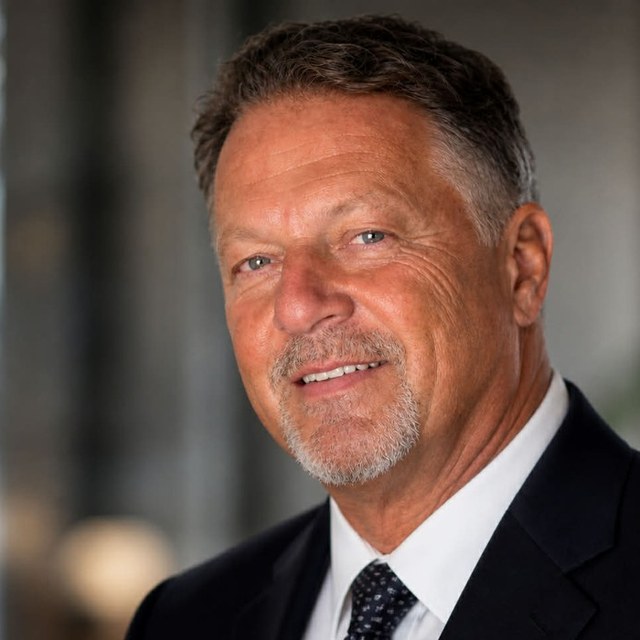
Chief Legal Counsel · AIrecommend.ai Corporate — National

To get recommended by AI assistants in Tampa, FL, a law firm must build clear entity authority across verified legal directories, structure website content around specific legal practice areas and local court jurisdictions, and regularly publish compliant press releases and authoritative articles that AI search engines continuously crawl and cross-reference for local recommendations.
As a former judge and practicing corporate attorney, I evaluate digital visibility through the lens of evidence, compliance, and structural integrity. When a prospective client in Tampa, FL asks ChatGPT, Gemini, Perplexity, or Google AI Overviews for an attorney—whether for commercial litigation along Kennedy Boulevard, estate planning in Hyde Park, or personal injury counsel near Tampa Bay—the AI does not evaluate your practice based on flashy slogans or traditional keyword stuffing. Instead, these systems act as digital fact-finders. They scan accessible networks, corroborate entity credentials across official databases, and determine which firm presents the most verifiable authority.
Traditional search engine optimization focused on climbing a list of blue links. Artificial intelligence optimization, often referred to as Generative Engine Optimization (GEO) or Answer Engine Optimization (AEO), functions differently. AI assistants synthesize information from multiple reputable sources to deliver direct recommendations. If your firm’s digital presence lacks consistent legal entity data, structured practice definitions, or authoritative third-party references, the model will simply bypass your practice in favor of a competitor whose credentials are clear and machine-readable.
Below is a practical, compliance-focused checklist that law firm partners, managing attorneys, and marketing directors in Tampa, FL can execute this week to align their digital presence with how modern AI engines discover, verify, and recommend legal services.
Why are AI search engines skipping your Tampa law firm?
Large language models rely on trust networks and entity resolution algorithms. When an AI assistant receives a prompt like "Who is a respected business law attorney in Tampa, FL?" it attempts to match the query against an established knowledge graph of local law firms.
AI models skip law firms primarily due to three core structural deficiencies:
- Inconsistent Entity Information: Variations in your firm’s name, principal address, partner listings, or phone numbers across registry sites confuse the entity resolution process. If your Florida Bar listing shows one address while your Google Business Profile and local directory profiles show slight variations, AI models lower their confidence score in your entity.
- Unstructured Expertise: Generic practice area pages that rely on marketing fluff rather than precise legal terminology, specific court jurisdictions, and clear statutory references give AI engines very little concrete material to index.
- Lack of Third-Party Corroboration: AI assistants place heavy reliance on external, authoritative sources. If your firm does not appear in local business publications, verified legal indexes, or distributed news releases, AI tools treat your practice as an unverified entity.
Attorneys operating in growing markets like Tampa, FL—or regional hubs such as Atlanta, GA and Raleigh, NC—must recognize that AI recommendation engines require continuous proof of professional activity and authority.
How do AI assistants choose which Tampa attorneys to recommend?
AI models construct answers by assessing semantic relevance and source reliability. When evaluating legal practices, these platforms look for specific trust signals:
- Regulatory Alignment: Verification of active standing through official state licensing bodies, such as The Florida Bar.
- Geographic Specificity: Clear connection to specific municipal and county jurisdictions, including Hillsborough County Civil Courts, the Middle District of Florida, or surrounding Tampa Bay communities.
- Topical Depth: Written content that clearly answers distinct legal questions using accurate, region-specific legal framework language.
- Citation Frequency: Frequency with which your firm is mentioned alongside recognized practice areas across independent, third-party press platforms and legal publications.
When these elements align, an AI assistant can confidently synthesize an answer that names your firm, explains your core focus, and directs the user to contact your office.
What is the step-by-step AI search checklist for Tampa lawyers this week?
Following a systematic audit allows your firm to correct structural flaws and establish the authoritative footprint AI search tools demand. Complete these five steps this week:
- Audit National and Local Legal Directories for Entity Consistency
Cross-reference your primary firm name, physical office address, and primary telephone number across The Florida Bar, Avvo, Justia, Martindale-Hubbell, and your Google Business Profile. Standardize every entry down to suite numbers and abbreviations. Machine-learning models treat slight discrepancies as potential entity conflicts.
- Re-Architect Practice Pages Around Specific Client Questions
Review your top practice area pages. Replace ambiguous introductory text with direct, authoritative explanations of Florida statutes, court processes, and common legal scenarios faced by Tampa residents and businesses. Use structured subheadings that mirror natural-language questions prospective clients ask AI assistants.
- Implement Schema Markup Tailored to Legal Services
Ensure your website utilizes `LegalService` and `Attorney` structured schema markup. Explicitly define your physical location (`Tampa, FL`), geo-coordinates, service areas, founding partners, and legal practice specialties within the code so web crawlers index your exact operational parameters.
- Publish Formally Formatted Practice Case Studies and Educational Content
Develop educational articles explaining complex legal processes in plain language while strictly adhering to Florida Bar advertising rules. Focus on facts, objective practice achievements, and procedural guidance without making prohibited statements regarding prospective outcomes.
- Verify AI Retrieval for Your Specific Legal Niche
Test common localized queries across multiple platforms including ChatGPT, Gemini, Perplexity, and Copilot. Prompts such as "Recommend a corporate attorney for a commercial lease in Tampa, FL" reveal how AI models currently categorize your firm against local competitors.
Checklist: Weekly AI optimization tasks for your legal team
Use this simple operational checklist during your weekly management or marketing review:
- [ ] Entity Check: Confirm consistent business name, address, and phone details on all state bar and legal directory listings.
- [ ] Local Geo-Tagging: Verify that your office's Tampa, FL street address and localized practice context are explicitly listed in page titles, footers, and contact metadata.
- [ ] Content Clarity: Audit one core practice page to ensure it directly answers at least three specific legal questions related to Florida law.
- [ ] Schema Validation: Run your homepage and legal service pages through a schema testing tool to confirm valid `LegalService` markup.
- [ ] External Publishing: Identify at least one legal update, firm announcement, or educational guide to distribute through recognized press channels.
How does the AI Visibility Engine help Tampa law firms publish compliant content?
The primary barrier for busy law partners is time. Drafting authoritative, legally compliant publications that satisfy both professional ethics standards and technical AI index requirements requires dedicated effort. The AI Visibility Engine solves this operational challenge by transforming your firm's existing legal expertise, successful matters, and educational Insights into fully optimized press releases, structured articles, and authoritative media posts. For a law firm in Tampa, FL, this automated engine maintains your continuous output of structured data and third-party citations, ensuring AI recommendation tools across the country consistently find, corroborate, and recommend your practice.
Key takeaways
- AI search engines recommend law firms based on verified entity data, consistent legal directories, and structured digital content.
- Florida Bar details, Google Business Profiles, and third-party legal indexes must match precisely to avoid entity confusion.
- Practice area pages should focus on direct, plain-English answers to real legal questions using proper local statutory context.
- Schema markup (`LegalService`) provides machine-readable evidence of your firm's location, practice areas, and credentials.
- Consistent external publishing builds the third-party citations that generative engines rely on for local recommendations.
Frequently asked questions
How do AI assistants choose which Tampa, FL law firm to recommend?
AI assistants select law firms by evaluating entity consistency across legal directories, verifying licensing details with official bar registries, and analyzing structured web content. They prioritize practices that demonstrate clear geographic relevance to Tampa, FL and possess documented authority across external publications.
Why does my law firm rank on Google blue links but get ignored by ChatGPT and Gemini?
Traditional Google rankings often rely on legacy backlink profiles and keyword optimization. AI engines like ChatGPT and Gemini synthesize answers by looking for verified factual entities, authoritative third-party press mentions, and clear structured data. If your firm lacks machine-readable structure or consistent external citations, generative models may skip your website.
Are there specific ethical rules Tampa attorneys must follow when optimizing for AI search?
Yes, attorneys must ensure that all content indexed by search engines and published across digital networks strictly complies with Florida Bar Rules of Professional Conduct regarding lawyer advertising. Content must be factual, objective, non-misleading, and free from direct guarantees of specific legal results.
How long does it take for a Tampa law firm to see results in AI recommendations?
Updating structured schema and fixing entity discrepancies across major directories can influence AI search discovery within a few weeks as crawlers update their knowledge bases. Sustained recommendations typically develop over several months of consistent, compliant content publishing and external authority building.
*
If you want to evaluate how AI assistants currently perceive your legal practice, run your free AI scan today. To discuss building an honest, compliance-first AI visibility strategy tailored to your firm's location and practice areas, connect directly with Roy Waddell to schedule a strategic consultation.
Want this done for your business? Talk to Roy directly.
Roy can look at your business, show you what AI says about you today, and tell you what to fix first. No cost to ask.
Roy Waddell
Roy Waddell is Chief Legal Counsel of AIrecommend.ai — a distinguished attorney, former judge, and accomplished athlete bringing judicial integrity and deep experience in corporate, franchise, and intellectual-property law. Roy oversees the legal framework behind the AIrecommend.ai franchise system and supports corporate clients and territory partners nationwide with honest, compliance-first practices.
Talk to RoyIs AI recommending your business in Tampa?
Run a free AI visibility scan in about a minute. You'll see who AI names instead of you, then get a free 15-minute walkthrough with Roy.
Run my free AI scan


