AI Search for Raleigh, NC Orthodontists: Entity & Authority
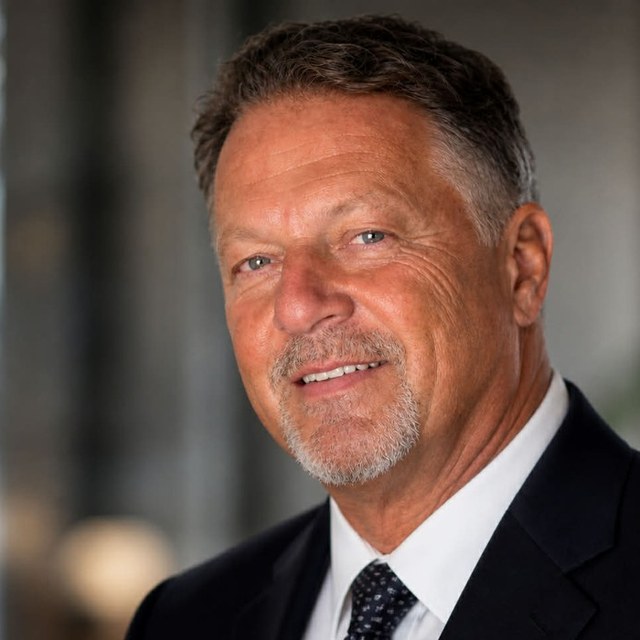
Chief Legal Counsel · AIrecommend.ai Corporate — National

To become the primary orthodontic practice AI engines recommend in Raleigh, NC, you must establish clear entity authority. AI platforms like ChatGPT and Google AI Overviews rely on structured web data, consistent NAPs across local citations, and active patient engagement. Clear clinical focus and verifiable local trust signal to AI systems that your practice is the authoritative local choice.
When a prospective patient in North Raleigh, Cary, or near Midtown asks ChatGPT or Google AI Overviews to recommend a local orthodontist for clear aligners or braces, the engine's response is not based on simple keyword matches. AI engines synthesize data from across the web to understand what an orthodontic practice is, where it operates, and whether it represents a trusted local authority.
Building this visibility requires establishing your practice as an unquestioned named entity in AI knowledge graphs. For an orthodontic practice in Raleigh, NC, this means unifying your digital footprint, securing accurate local citations, and continuously validating your clinical trust factors across the web.
How do AI search engines identify an orthodontic practice in Raleigh, NC?
AI assistants utilize large language models and real-time retrieval-augmented generation to evaluate healthcare providers. Instead of merely scanning website text, these systems search for verifiable entity attributes. An entity is a distinct, well-defined business or concept that an AI can recognize independently.
For your Raleigh orthodontic practice, AI systems scan for core identity markers: your exact legal business name, physical street address, local telephone number, licensed practitioners, and specific clinical services offered. When these markers align perfectly across medical directories, state licensing boards, map services, and structured site data, AI platforms register your practice as a verified local entity. If inconsistencies exist—such as mismatched suite numbers or old address records near Glenwood Avenue—AI models perceive uncertainty and will default to recommending a competitor whose data is complete and consistent.
Why do local citations and structured data matter for AI visibility?
Citations are online references to your practice name, address, and phone number across third-party platforms. In traditional search, citations were primarily used to establish basic geographic relevance for local maps. In AI Engine Optimization, citations serve as third-party verification sources that directly feed the knowledge bases of large language models.
Structured data acts as an explicit translation layer for AI crawlers. By embedding detailed schema markup on your website, you directly inform AI models about your practice parameters:
- The exact ownership and clinical credentials of your practice in Raleigh, NC.
- Specific orthodontic treatments provided, such as early interceptive treatment, ceramic braces, or clear aligners.
- Verified office operating hours, accepted insurance networks, and explicit geographic service areas.
When AI engines cross-reference your schema markup with structured local citations on healthcare portals and business indexes, their confidence in recommending your practice increases significantly.
How can a Raleigh practice build local authority that AI trusts?
Local authority in AI search is grounded in trust, consistency, and contextual relevance. Large language models prioritize healthcare providers that demonstrate sustained community engagement and transparent operational standards.
To strengthen your local authority in the Raleigh market, focus on three fundamental pillars:
- Contextual Geographic Relevance: Explicitly detail your involvement and care delivery within specific Raleigh neighborhoods and nearby communities. Contextual references naturally situate your practice within the local market.
- Compliance and Transparency: Healthcare providers must maintain strict ethical standards in online statements. AI systems evaluate compliance factors, actively avoiding entities that display contradictory claims, non-compliant promotional language, or unverified medical guarantees.
- Recency and Depth of Patient Feedback: Natural language reviews across major platforms provide AI with authentic semantic data. Consistent patterns of positive patient feedback regarding clear communication and professional care reinforce your practice's local authority score.
How to structure your practice data for AI search engines
To ensure your practice is recognized and cited accurately by AI platforms, follow this structured implementation process:
- Perform a Complete NAP Audit: Review every current listing across map services, healthcare directories, and web channels. Standardize your practice name, street address, and phone number down to exact formatting.
- Implement Dental and Orthodontic Schema Markup: Add precise schema code to your website, defining your business type, practitioner credentials, physical location in Raleigh, NC, and exact clinical services offered.
- Claim and Verify Primary Knowledge Panels: Ensure complete control of your primary map profiles and major directory entities, verifying all location markers and service categories.
- Align Clinical Descriptions Across Platforms: Standardize how you describe core treatments across your website and external directories so AI engines map your core competencies accurately.
- Maintain Ongoing Data Hygiene: Schedule regular quarterly audits of your digital footprint to catch duplicate profiles, outdated addresses, or unauthorized updates made by third-party directory aggregators.
How does a Customer/Lead Reactivation System strengthen local authority?
Maintaining high local authority requires active engagement with your community and existing patient database. Stalled consults, inactive treatment plans, and past patients who never scheduled follow-up retention visits represent untapped authority signals.
Deploying a Customer/Lead Reactivation System allows an orthodontic practice in Raleigh, NC to re-engage past clients and stalled leads using direct, consent-based outreach. By delivering personal, highly compliant communications to patients who previously inquired about braces or clear aligners, you re-ignite authentic conversations without invasive advertising. This steady flow of renewed patient visits, updated review requests, and active engagement sends strong signals of ongoing operational vitality directly into the data ecosystem that AI engines evaluate.
Checklist: Essential audit points for Raleigh orthodontic AI authority
Use this checklist to evaluate whether your practice is fully optimized for AI recommendation engines:
- [ ] Is your practice name, address, and local Raleigh phone number identical across all online profiles?
- [ ] Does your website include verified structured schema markup for dental and medical entities?
- [ ] Are all practicing orthodontists explicitly named and linked to their professional credentials?
- [ ] Is your geographic focus clearly identified as Raleigh, NC and surrounding Triangle communities?
- [ ] Are your online service descriptions organized logically by treatment type?
- [ ] Do you maintain a systematic process for generating continuous, compliant patient feedback?
- [ ] Have you eliminated duplicate directory listings or conflicting historical address records?
Key takeaways
- AI engines recommend orthodontic practices based on verifiable entity attributes and consistent cross-web data.
- Precise NAP data and structured schema markup provide the factual foundation AI platforms require to trust your Raleigh, NC location.
- Building local authority demands contextual geographic relevance, regulatory compliance, and consistent review patterns.
- Strategic reactivation of stalled leads drives natural patient engagement that supports long-term entity health.
Frequently asked questions
How do ChatGPT and Google AI Overviews decide which Raleigh orthodontist to recommend?
AI engines evaluate an orthodontic practice by analyzing structured data, online directory consistency, and verified patient sentiment. They look for strong entity signals that confirm the practice's physical presence in Raleigh, NC and its clinical reputation. Practices with accurate schema markup, clear service taxonomies, and high authority scores are chosen most often.
Why is structured schema markup important for an orthodontic practice in Raleigh, NC?
Schema markup translates your practice website content into explicit machine-readable code that AI engines can interpret without ambiguity. For a Raleigh orthodontist, schema clearly defines your specific treatments, office locations, practitioner details, and contact information. This clarity prevents AI engines from confusing your practice with competitors or pulling inaccurate local data.
How do inconsistent directory listings affect AI search recommendations?
Inconsistent business names, old addresses, or conflicting phone numbers create uncertainty in AI knowledge graphs. When an AI model encounters conflicting data across citations, its confidence score drops, making it far less likely to recommend your practice to Raleigh users. Cleaning up duplicate or mismatched listings is critical for maintaining reliable visibility.
Can a lead reactivation system help improve my practice's local search presence?
Yes, an ethical lead reactivation system re-engages inactive inquiries and former patients through direct, compliant communication. Increasing genuine patient interactions leads to renewed appointments, updated patient reviews, and fresh engagement signals. These continuous activity signals demonstrate to AI search engines that your Raleigh practice is active, trusted, and operationally healthy.
If you want to understand exactly how AI assistants currently perceive your practice in the local market, run your free AI scan today. To discuss a customized, compliance-first strategy tailored specifically for your Raleigh, NC orthodontic practice, contact my office to speak directly with me.
Want this done for your business? Talk to Roy directly.
Roy can look at your business, show you what AI says about you today, and tell you what to fix first. No cost to ask.
Roy Waddell
Roy Waddell is Chief Legal Counsel of AIrecommend.ai — a distinguished attorney, former judge, and accomplished athlete bringing judicial integrity and deep experience in corporate, franchise, and intellectual-property law. Roy oversees the legal framework behind the AIrecommend.ai franchise system and supports corporate clients and territory partners nationwide with honest, compliance-first practices.
Talk to RoyIs AI recommending your business in Raleigh?
Run a free AI visibility scan in about a minute. You'll see who AI names instead of you, then get a free 15-minute walkthrough with Roy.
Run my free AI scan


