Why AI Assistants Skip Your Med Spa in San Diego, CA
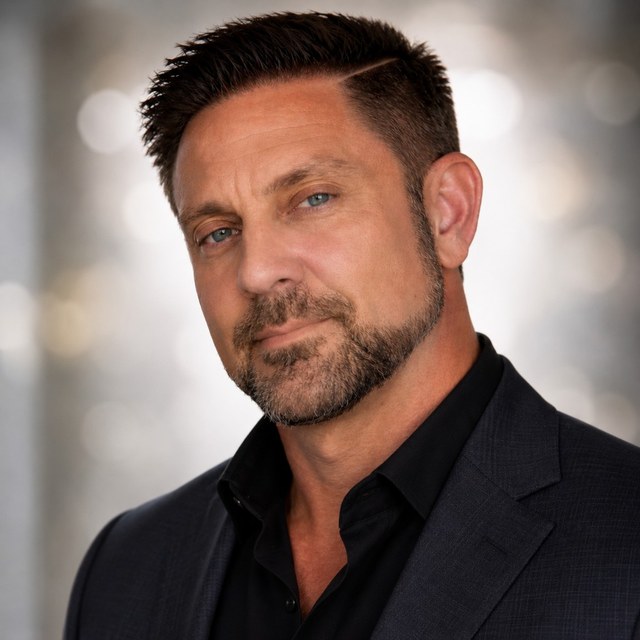
Founder & Chairman · AIrecommend.ai

AI assistants leave good San Diego, CA med spas out of recommendations when they lack structured entity authority, consistent local citation data, and recent customer sentiment. Generative search engines evaluate verified licensing, specific treatment schemas, sentiment keywords in review profiles, and cross-platform mentions before citing a clinic. Fixing these foundational gaps ensures AI models trust your med spa's identity and services.
Patients searching for aesthetic treatments in San Diego, CA are changing how they look for care. Instead of typing basic phrases into traditional search bars and browsing ten web links, potential patients now ask conversational engines like ChatGPT, Gemini, Copilot, and Perplexity direct questions. Someone looking for aesthetic care in La Jolla or Downtown San Diego might ask an AI assistant to suggest a clinical practice for laser skin resurfacing, subtle neurotoxin injections, or medical-grade body contouring.
When these conversational engines compile an answer, they do not simply select the clinic with the most traditional links. They scan large language models, structured knowledge graphs, and real-time retrieval networks to recommend businesses that display unmistakable entity trust. If an established med spa in San Diego, CA finds itself missing from these answers, it is rarely due to a lack of clinical expertise or satisfied clients. It happens because generative engines cannot clearly parse, verify, and validate the clinic's digital identity.
Why are AI search engines ignoring my San Diego, CA med spa?
Generative AI tools operate on entity confidence. Rather than indexing isolated keywords on a web page, AI systems construct an interconnected map of entities, identifying your business, your medical director, your specific treatments, and your geographic location. When a prospective client asks an AI assistant for a provider in San Diego, CA, the system searches for corroborating evidence across multiple trusted platforms before outputting a recommendation.
If your digital presence contains contradictory details across directories, inconsistent service descriptions, or incomplete schema data, the AI model loses confidence. Rather than risking an inaccurate recommendation, the engine skips your business entirely and highlights a competitor whose data is structured cleanly. Whether an assistant evaluates a practice in San Diego, CA, Dallas, TX, or Columbus, OH, missing structured entity details creates an immediate blind spot in generative search.
How does ambiguous service information keep your med spa hidden?
A primary reason high-quality aesthetic practices get overlooked is vague service presentation. A website that groups services under broad headers like "Facials" or "Injectables" fails to provide the exact context required by retrieval-augmented generation systems. Modern search engines need precise details to match specific patient inquiries.
When a consumer asks an AI assistant for a targeted treatment—such as RF microneedling for acne scars or IPL photo facials for sun damage accumulated along San Diego beaches—the AI looks for specific contextual matches. If your website lacks individual service pages paired with clear schema markup, the model cannot confirm that your practice offers that exact treatment with proper medical supervision.
To ensure AI engines understand your offering, every treatment requires detailed explanations, including:
- Clear medical descriptions of the technology or compound used.
- Specific indications, expected outcomes, and post-care considerations.
- Identifiers linking the treatment to qualified clinical staff and medical directors.
- Location-specific contextual details that tie the service to your primary facility in San Diego, CA.
What role do review frequency and owner replies play in AI recommendations?
AI assistants evaluate review profiles far differently than human consumers do. While humans often skim star ratings, AI models scan the underlying sentiment, context, vocabulary, and consistency of customer reviews over time. They extract detailed entities from feedback, looking for specific phrases like "natural results," "clean medical suite," or "knowledgeable nurse practitioner."
Infrequent review collection creates gaps in training data. If your last Google review was submitted months ago, an AI engine may infer that your practice is inactive or that recent client sentiment is unknown. Furthermore, how a clinic responds to reviews provides critical context. Responses that acknowledge specific treatments and express clear professional care help reinforce the entity data that answer engines rely on to evaluate credibility.
How Review Kathy helps build the review signals AI assistants look for
Maintaining a continuous flow of authentic patient feedback while responding thoughtfully to every comment can be demanding for busy clinical teams. Review Kathy simplifies this operational challenge for a med spa in San Diego, CA by making it one tap for happy customers to leave Google reviews and drafting a reply to every review received.
By streamlining the post-treatment feedback process, practices ensure that recent, highly descriptive reviews are continuously published to their primary profiles. The automated drafting feature assists staff in maintaining consistent, professional interactions without consuming valuable administrative time. This ongoing stream of fresh review content and structured responses feeds directly into the public sentiment data that AI recommendation models evaluate when selecting local businesses.
How do you audit and fix your med spa's AI entity authority?
Transitioning your medical spa from hidden to recommended requires a methodical approach focused on data clarity, entity validation, and consistent trust signals. Following a structured optimization roadmap ensures generative search engines recognize your clinic as an authority.
- Standardize Core Business Information: Ensure your practice name, primary address in San Diego, CA, local phone number, and medical director credentials are identical across Google Business Profile, Apple Maps, RealSelf, Healthgrades, and state licensing directories.
- Implement Advanced Medical Schema: Apply Schema.org markup (`MedicalBusiness`, `MedicalClinic`, and `IndividualPhysician`) to your website to explicitly define your services, medical staff, operating hours, and accepted payment options for search crawlers.
- Build Dedicated Treatment Architecture: Create individual web pages for every service offered rather than relying on generalized menu lists. Detail the specific clinical technology, techniques, and targeted conditions for each procedure.
- Establish a Continuous Review Flow: Implement post-visit feedback workflows that encourage satisfied patients to share their experiences on major review platforms regularly.
- Maintain Active Profile Engagement: Respond to all incoming reviews promptly, addressing client feedback thoroughly to demonstrate active operational oversight.
What checklist ensures your San Diego med spa is ready for AI search?
Use this operational checklist to evaluate whether your practice maintains the technical foundation required by modern answer engines:
- [ ] Consistent Name, Address, and Phone (NAP) details across all major mapping and healthcare directories.
- [ ] Comprehensive Schema.org `MedicalClinic` data implemented across your website domain.
- [ ] Dedicated web pages for individual aesthetic treatments detailing specific clinical technologies.
- [ ] Clear attribution of medical leadership, including provider credentials and state license context.
- [ ] Steady weekly stream of new patient reviews mentioning specific treatments and local areas like San Diego, CA.
- [ ] Prompt owner responses published for both positive and negative patient reviews.
- [ ] Active cross-platform mentions in local news, wellness publications, and regional directories.
Key takeaways
- Generative search engines prioritize structured entity confidence and verified data over traditional keyword density.
- Vague service menus prevent AI assistants from accurately matching patient queries with your clinic's offerings.
- Continuous review collection and active owner engagement supply the ongoing sentiment data AI engines require.
- Standardizing credentials, addresses, and treatment details across the web protects your market position in San Diego, CA and keeps your practice visible as AI search expands nationwide in cities like Austin, TX and Nashville, TN.
Frequently asked questions
Why does ChatGPT recommend another med spa in San Diego, CA instead of mine?
ChatGPT relies on third-party knowledge bases, structured web data, and strong entity trust signals to generate recommendations. If a competitor has more explicit schema markup, clearer treatment descriptions, consistent business citations, and steady customer review sentiment, the AI assistant will display higher confidence in citing them over your clinic.
How do AI search engines verify the credibility of a med spa?
AI models verify credibility by cross-referencing information from multiple authoritative sources across the web. They look for matching operational details, medical license references, clear provider credentials, active patient reviews, and structured data code embedded on your website.
Does schema markup help my San Diego, CA med spa appear in Google AI Overviews?
Yes, structured Schema.org markup provides Google AI Overviews with direct, unambiguous data regarding your business type, services, location, and medical providers. By removing ambiguity, schema makes it significantly easier for AI search algorithms to read, parse, and cite your website content in dynamic answers.
How often should a med spa update its digital footprint for AI recommendation engines?
Your digital footprint requires continuous updates rather than periodic adjustments. Maintaining steady weekly review collection, publishing routine profile updates, regularly refining service content, and quickly responding to patient feedback signals to AI search engines that your practice is active, reliable, and trusted.
Understanding how generative engines perceive your aesthetic practice is the first step toward securing your market presence. To see exactly where your practice stands across major conversational engines, run your free AI scan today, and let's talk about building an entity strategy tailored to your clinic.
Want this done for your business? Talk to Scott directly.
Scott can look at your business, show you what AI says about you today, and tell you what to fix first. No cost to ask.
Scott Tischler
Scott Tischler is the Founder and Chairman of AIrecommend.ai — a marketing-technology operator working on the frontier of how people, and AI, decide who to trust. When someone asks an AI which business is best, his work makes sure the right answer is the one that gets said. His focus is the intersection of generative AI and practical business growth: building the entity authority and structured knowledge that answer
Talk to ScottIs AI recommending your business in San Diego?
Run a free AI visibility scan in about a minute. You'll see who AI names instead of you, then get a free 15-minute walkthrough with Scott.
Run my free AI scan


