Indianapolis, IN Franchise: Keeping Locations Consistent and Claims Honest
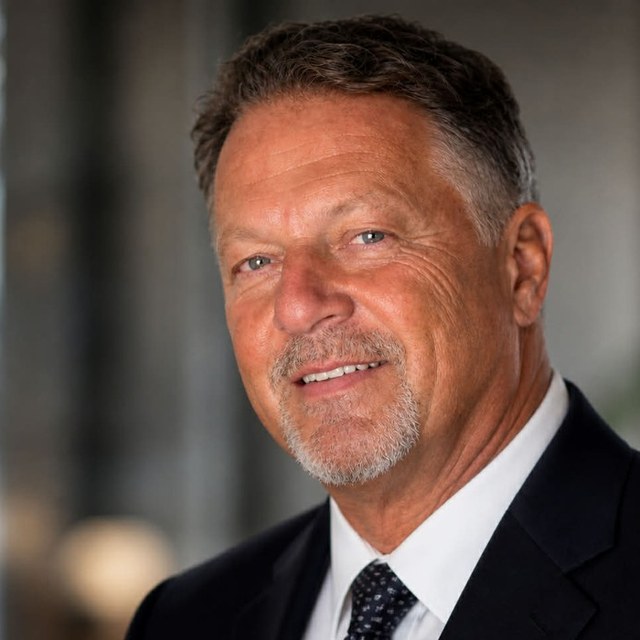
Chief Legal Counsel · AIrecommend.ai Corporate — National
Franchise locations often have conflicting details across corporate pages, directories and profiles, which can confuse AI tools. Indianapolis franchisees should fix what they control, follow brand rules, avoid unsubstantiated claims and collect reviews fairly.
If you own a franchise location in Indianapolis, you live with a particular tension. The brand is shared, but the customer experience, the reviews and the listing details belong to your location. When someone asks ChatGPT, Gemini or Perplexity for a service near them, the answer may draw on corporate pages, directories and local profiles at once. If those sources disagree, the picture of your business gets muddy. And because you are a franchisee, your advertising must also respect the franchisor's brand rules and the law. Here is a practical way to think about it.
This is general information, not legal advice. Franchise agreements differ, so review yours and consult your own counsel when needed.
Why is a franchise location harder for AI to describe?
Franchise systems often have a corporate website with a store locator, plus individual location pages, plus third-party directories and a Google Business Profile for each site. Details can drift: an old phone number on one page, a former address on another, hours that do not match.
An AI assistant gathering information may encounter all of these. When they conflict, it may guess, hedge or leave you out. Nobody controls how the platforms behave, and no outcome is guaranteed. What you can do is reduce the conflicts under your control.
- Check your location page on the corporate site for accuracy
- Verify your Google Business Profile: name, address, phone, hours, categories and website link
- Search for your location on major directories and correct what you can
- Note anything you cannot change yourself and ask the franchisor, in writing
What can a franchisee control, and what belongs to the brand?
Your franchise agreement and brand standards likely spell out what you may and may not do. Many systems require approval of local advertising, restrict use of logos and trade names, and specify how the brand may be described. Some franchisors run centralized listings, and some allow locations to manage their own profile.
Before creating anything, find out:
- Whether you may build a separate local website, and if so what approvals are needed
- Which trade names and trademarks you can use, and how
- Who owns and manages your Google Business Profile
- Whether local promotions, review programs and automated outreach need franchisor approval
Operating outside those boundaries can create friction or worse. When in doubt, ask in writing and keep the reply.
What claims should a franchisee avoid?
Franchise systems are subject to federal and state regulation, and advertising is subject to consumer protection law. A local owner should avoid anything that could mislead.
- Do not state earnings, income potential or performance figures about the business that are not substantiated and permitted
- Avoid guarantees such as guaranteed results or lowest price in town
- Do not claim awards, certifications or rankings you cannot document
- Make clear, where appropriate, that your location is independently owned and operated, if that is how your system works
- Use only approved descriptions of the brand's services
If you also recruit franchisees or discuss the opportunity publicly, the rules are far stricter, and you should involve counsel. This article concerns marketing to customers.
How do reviews work across a franchise?
Reviews attach to a specific location, so your team's behavior drives yours. Ask every customer evenly, offer no incentives, and never write or solicit fake reviews. A ReviewKathy tap-to-review card at your counter can point customers to your location's Google review page in one tap, which helps ensure the review lands on the right profile rather than another location.
Respond to reviews politely and professionally. Remember that you represent the brand, so keep replies measured and avoid anything that could embarrass the system or reveal customer details. If the complaint is about corporate policy, say you will pass it along rather than arguing.
How can automation help a busy owner-operator?
Owner-operators wear many hats, and phones go unanswered while you handle a customer. An AI voice agent can answer calls, give hours and location, and take a message. A website chatbot can do likewise. Make sure scripts match brand standards and do not make promises that the brand or your location cannot keep.
For past customers and leads, Harvest and Sequence can help you organize and follow up, but only with people who have a relationship with you and have not opted out, and only if brand rules allow it. A Spin-to-Win promotion can attract new visitors during a grand opening or seasonal push; check that the prize terms and local promotion rules are in order and that the franchisor approves.
Where should you begin?
Start with a free AI visibility scan for your location. It shows how your business appears in AI tools, and where listing information is missing or conflicting. It is a snapshot, not a ranking guarantee, since the platforms vary and nobody controls them.
Then work through a short list:
- Fix what you control and document what you do not
- Confirm in writing what your franchisor allows for local marketing
- Set up a fair, incentive-free review routine
- Write plain, accurate local content, such as events you host or community groups you support
- Review every public claim against your agreement and the law
No single step promises more customers or revenue. But a franchise location with accurate details, honest claims and genuine reviews is easier for people and tools to trust, and that serves you, your customers and the brand alike.
Want this done for your business? Talk to Roy directly.
Roy can look at your business, show you what AI says about you today, and tell you what to fix first. No cost to ask.
Roy Waddell
Roy Waddell is Chief Legal Counsel of AIrecommend.ai — a distinguished attorney, former judge, and accomplished athlete bringing judicial integrity and deep experience in corporate, franchise, and intellectual-property law. Roy oversees the legal framework behind the AIrecommend.ai franchise system and supports corporate clients and territory partners nationwide with honest, compliance-first practices.
Talk to RoyIs AI recommending your business in Indianapolis?
Run a free AI visibility scan in about a minute. You'll see who AI names instead of you, then get a free 15-minute walkthrough with Roy.
Run my free AI scan