Columbus, OH Plumber: Reactivating Past Customers the Right Way
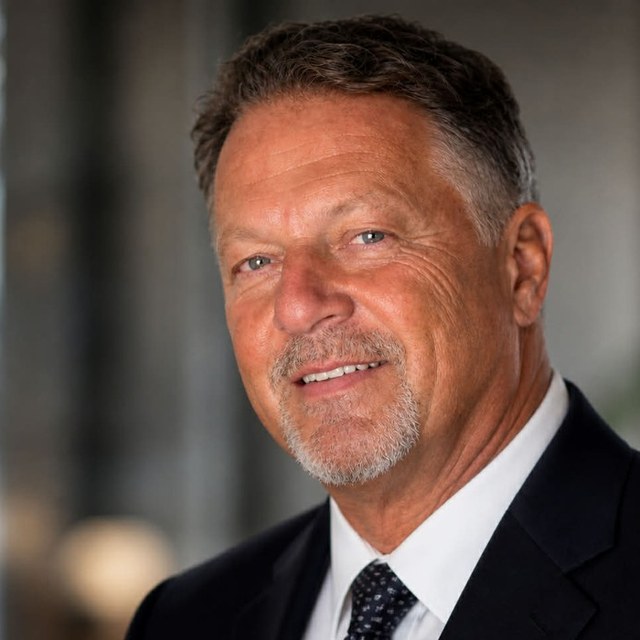
Chief Legal Counsel · AIrecommend.ai Corporate — National
Past customers already know you, so a short, honest follow-up series can remind them of maintenance and seasonal needs. Columbus plumbers should contact only people with an existing relationship, honor opt-outs and confirm text and email rules with an advisor.
If you run a plumbing company in Columbus, you have probably done thousands of jobs over the years: water heaters, drain clearings, repipes, emergency leaks. Behind each one is a name and a phone number sitting in an invoice system, a spreadsheet or a stack of paper. Most of those customers will need a plumber again, and many will simply call whoever comes to mind or whoever they find first. A thoughtful, respectful follow-up program can keep you in mind. This article covers how to do it without annoying people or breaking rules.
Why reconnect with past customers at all?
They already know you. A person who had a good experience with your company does not need to be convinced that you exist or that you show up. Contacting them costs far less effort than finding strangers. Plumbing also has natural reasons to follow up: water heaters age, sump pumps need testing before wet seasons, and homeowners benefit from reminders about winterizing outdoor spigots in Ohio's cold months.
That said, no one can promise how many people will respond. Some will not need anything, some will have moved, and some will be happy with their current plumber. The goal is a useful reminder, not a pressure campaign.
What is the right way to start?
Begin by getting your list in order. A tool like Harvest can help organize and clean contact data you already hold, and Sequence can schedule a short series of messages. But technology is not the hard part; permission and relevance are.
- Gather customers from your own records, people with whom you have an existing business relationship
- Remove duplicates, wrong numbers and anyone who asked not to be contacted
- Group them by what you did for them, such as water heater installs, drain work or repiping
- Decide which reason to reach out is genuinely useful, for example a maintenance check on a heater installed several years ago
Do not buy lists of strangers or scrape contact details to send unsolicited messages. That is a different practice with different legal exposure, and it will not feel good to recipients either.
What rules apply to texts, emails and calls?
Rules differ depending on the channel. Email has requirements about accurate sender information, honest subject lines and an easy way to unsubscribe. Text messages typically require prior consent, and marketing texts are regulated more tightly than service notifications. Automated or prerecorded calls have their own restrictions, as does calling numbers on do-not-call lists.
Because these rules carry significant penalties, treat them seriously and confirm with your own advisor what applies to your situation. A few safe habits:
- Identify your company clearly in every message
- Include an easy opt-out in every message, and honor it promptly
- Keep a record of when and how each customer gave consent
- Send texts only to people who agreed to receive them
- Do not overstate: avoid claims like guaranteed lowest price or free inspection unless they are literally accurate
What should a good follow-up message say?
Think of the message you would want to receive from a tradesperson. It should be short, specific and helpful.
A sensible series might look like this, adjusted to your voice:
- First message: a friendly note referencing the work you did, with a simple reminder, such as it has been a few years since we installed your water heater, here is what we recommend checking
- Second message, a couple of weeks later: a seasonal tip, for example how to shut off the main valve in an emergency
- Third message: an invitation to book a maintenance visit or ask a question, with an easy way to reply
Stop there unless the customer engages. More than a few messages starts to feel like spam, and unsubscribes will tell you so. Have a person answer replies quickly, and let an AI voice agent or chatbot catch the calls and chats you cannot take while you are under a sink.
How does this connect to reviews and AI search?
Past customers are also your best source of reviews. Many would happily say something good if asked, but nobody asked them. A ReviewKathy tap-to-review card works for new jobs. For past customers, a polite email with a link to your Google review page can work, as long as you ask everyone fairly and offer no reward for a rating.
This matters for visibility because people in Columbus ask ChatGPT, Gemini, Perplexity and others for plumbers. Those tools tend to draw on your website, profile and review text. Fresh, genuine reviews describing what it was like to work with you add to the public record, though no one can promise how any platform will use them, and none is controlled by businesses.
Use the same discipline with your own claims. Avoid statements such as the best plumber in Columbus or same-day service guaranteed unless you can consistently deliver exactly that. Make sure your license information is displayed as required in your area, and ask your advisor if you are unsure.
How do you measure whether it worked?
Keep it simple. Track how many messages went out, how many people replied or booked, how many unsubscribed, and how many reviews arrived. Compare the effort against the results after one quarter. If unsubscribes run high, soften the tone or send less often. If replies are positive, consider adding another seasonal reminder.
A free AI visibility scan can also show how your company currently appears in AI tools, so you can see whether your basic information is accurate before you invite more people to look. It is a snapshot, not a guarantee.
Reconnecting with past customers will not transform a business overnight. But a respectful, well-timed note from a plumber they already trust is among the most natural kinds of marketing there is, and with proper consent and honest wording, it can be done in a way you are comfortable putting your name on.
Want this done for your business? Talk to Roy directly.
Roy can look at your business, show you what AI says about you today, and tell you what to fix first. No cost to ask.
Roy Waddell
Roy Waddell is Chief Legal Counsel of AIrecommend.ai — a distinguished attorney, former judge, and accomplished athlete bringing judicial integrity and deep experience in corporate, franchise, and intellectual-property law. Roy oversees the legal framework behind the AIrecommend.ai franchise system and supports corporate clients and territory partners nationwide with honest, compliance-first practices.
Talk to RoyIs AI recommending your business in Columbus?
Run a free AI visibility scan in about a minute. You'll see who AI names instead of you, then get a free 15-minute walkthrough with Roy.
Run my free AI scan