Why AI Search Skips Your Salt Lake City, UT Fitness Studio

COO, Haloe Accelerated Wellness · AIrecommend.ai Partner
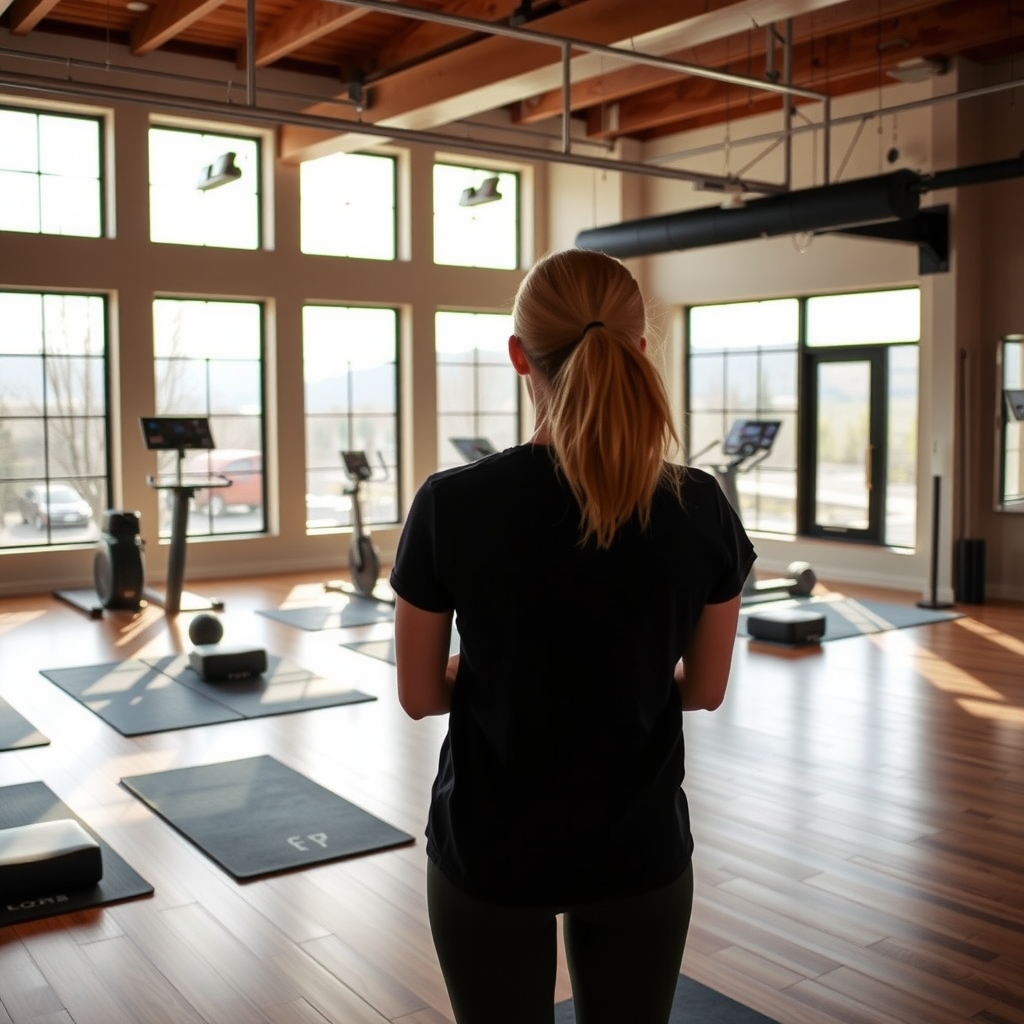
Fitness studios in Salt Lake City, UT are often omitted from AI recommendations due to fragmented business details, unindexed class schedules, weak local entity associations, and missing unstructured service context. AI assistants prioritize structured profile data, third-party reviews, and detailed service descriptions. Fixing inconsistent location listings, publishing clear program descriptions, and aligning local keyword context restores your studio's visibility across AI engines.
Salt Lake City has one of the most active populations in the country. From winter ski prep to summer mountain trail training, residents across the Wasatch Front actively seek specialized workout spaces. Whether someone is looking for high-intensity interval training in Sugar House, reformer Pilates downtown, or strength conditioning near Millcreek, their discovery habits have fundamentally changed.
A few years ago, a studio owner could rely solely on Instagram ads, local word of mouth, or basic search engine optimization to keep classes full. Today, potential members are no longer typing simple keywords into a traditional search bar. Instead, they are turning to conversational AI assistants like ChatGPT, Google AI Overviews, Perplexity, and Apple Intelligence. They are asking nuanced questions: "What is the best boutique strength studio in Salt Lake City for ski conditioning?" or "Which Pilates studio in SLC offers early morning classes with open reformer slots?"
If an AI engine cannot clearly understand what your studio offers, where you are located, and why members choose you, it simply leaves you out of the answer. Being left out of these generative recommendations means losing high-intent local clients before they ever visit your website.
Why is your Salt Lake City fitness studio missing from AI recommendations?
Generative AI engines do not evaluate local businesses the same way legacy search engines do. Traditional search tools match keywords on a web page to a query. AI assistants, however, build semantic understandings—known as entity graphs—of businesses within a specific market like Salt Lake City.
When an AI model generates a recommendation, it synthesizes information from hundreds of sources simultaneously. It cross-references your website content, review platforms, directory listings, social media commentary, and third-party booking systems. If there are contradictions, missing details, or ambiguous statements across these platforms, the AI experiences low confidence.
In the world of AI search, low confidence leads directly to exclusion. AI platforms prefer to recommend studios with clear, unambiguous, and frequently validated data. If your class descriptions live exclusively behind a third-party booking iframe or paywall that web crawlers cannot parse, the AI has no way of knowing you offer specialized youth strength training, heated yoga, or athletic recovery sessions.
How do search engines and AI assistants evaluate local gyms?
To secure recommendations in Salt Lake City, studio owners must understand the three pillars of modern digital discovery: Search Engine Optimization (SEO), Answer Engine Optimization (AEO), and Generative Engine Optimization (GEO).
SEO ensures your website is technically accessible and indexable. AEO focuses on providing direct, authoritative answers to natural-language questions prospective members ask. GEO optimizes your entire digital footprint so large language models recognize your studio as a dominant local authority.
When evaluating a fitness studio in Salt Lake City, AI models analyze several distinct data layers:
- Specific fitness modalities and equipment types available on site.
- Geographic specificity, including proximity to landmarks, neighborhoods, and transit corridors.
- Real member sentiment extracted from detailed online reviews rather than star ratings alone.
- Operational parameters such as peak hours, parking accessibility, locker room amenities, and class booking policies.
- Temporal relevance, such as seasonal programming geared toward Utah outdoor sports.
If any of these layers contain vague language or missing information, the AI moves on to a competitor whose digital footprint provides full clarity.
What are the most common reasons AI skips a fitness studio?
Through analyzing local service profiles across markets from Salt Lake City to Denver and Atlanta, several recurring breakdown points emerge that prevent quality studios from being recommended.
- Hidden or Unindexed Class Schedules: Many boutique studios rely on embedded booking widgets. While convenient for existing members, these schedules often load through scripts or wall off detailed class descriptions from search engine crawlers. If the AI cannot read your actual schedule and class intent, it assumes the offerings do not exist.
- Generic Modality Descriptions: Phrases like "transform your body" or "the ultimate fitness experience" sound great in marketing copy, but convey zero concrete information to an AI engine. AI models require clear terminology: "50-minute low-impact reformer Pilates," "barbell strength training," or "zone 2 cardiovascular conditioning."
- Disconnected Local Context: Salt Lake City features distinct neighborhoods and micro-regions. A member searching for a gym near Downtown SLC may not want to commute to Cottonwood Heights during peak evening traffic. If your online profiles only list "Salt Lake City" without referencing surrounding landmarks, cross streets, or neighborhood context, AI engines struggle to gauge your geographic relevance.
- Lack of Conversational Context: Traditional SEO relied heavily on exact-match keywords. AI search relies on natural language context. If your web pages do not answer real questions—such as parking availability, shower facilities, beginner accommodations, or seasonal drop-in passes—the AI cannot confidently cite your studio when users ask conversational questions.
How can you audit and fix your studio's AI search presence?
Correcting your digital footprint requires a structured approach to updating both your primary website and off-site data sources. Follow these sequential steps to align your fitness studio with modern AI recommendations:
- Unify your Name, Address, and Phone (NAP) data across all digital profiles, including Google Business Profile, Apple Maps, Yelp, ClassPass, and local business directories across Utah.
- Replace embedded, unindexable schedule frames with static web pages that detail each class type, trainer credentials, intensity levels, and targeted outcomes in plain text.
- Publish detailed amenity guides on your website explaining practical studio logistics such as studio temperature, mat rentals, parking options, and locker room features.
- Integrate local geographic identifiers and neighborhood references throughout your content, ensuring search crawlers associate your space with specific Salt Lake City districts.
- Build out an authoritative FAQ section that directly addresses common objections, drop-in policies, and preparation tips for first-time visitors.
- Encourage active members to write detailed, descriptive online reviews that specifically mention class names, instructor methods, and physical studio benefits.
What is the complete AI visibility checklist for boutique fitness studio owners?
Use this operational checklist to audit your Salt Lake City studio's digital readiness:
- Google Business Profile category is precisely set to your primary modality (e.g., Pilates studio, Personal trainer, Gym, Yoga studio).
- Primary class types are published as permanent, indexable text pages rather than dynamic script overlays.
- Website content includes neighborhood identifiers (e.g., Sugar House, Downtown, Liberty Park, Foothill, East Bench).
- Detailed instructor bios highlight certifications, training philosophies, and experience.
- Pricing structures, single drop-in rates, class pack details, and trial membership terms are clearly stated in plain text format.
- Structured data schema (LocalBusiness and HealthAndBeautyBusiness markup) is correctly installed on your homepage and contact pages.
- Review responses consistently reinforce service terms and localized amenities.
Key takeaways
- AI search engines rely on entity confidence, requiring uniform information across every platform where your studio appears.
- Abstract marketing jargon hides your core offerings from AI models; explicit modality terms ensure accurate matching.
- Class schedules and descriptions must be published in indexable text, not strictly behind third-party software widgets.
- Clear neighborhood context across Salt Lake City helps AI assistants recommend your facility for hyper-local queries.
- Comprehensive online visibility requires continuous alignment of your website, review channels, and technical schema tags.
Frequently asked questions
Why is my Salt Lake City fitness studio not showing up in ChatGPT searches?
ChatGPT relies on aggregated web data, structured search indexes, and real-time query tools to generate answers. If your studio's website lacks clear text descriptions of your classes, missing local address schema, or inconsistent directory listings, the model lacks sufficient confidence to include you in search outputs. Updating your profile consistency and publishing detailed web content helps AI assistants identify your business correctly.
How do AI assistants choose which gym in Salt Lake City, UT to recommend?
AI engines synthesize clear modality descriptions, geographic proximity markers, positive member review sentiment, and verified business data to formulate answers. They prioritize studios that answer user queries directly with complete operational transparency, such as clear class times, pricing structure, and amenity details. Providing precise, unstructured conversational text makes it easier for AI to select your studio over competitors.
Can third-party booking platforms hurt a Salt Lake City fitness studio's AI visibility?
Third-party platforms themselves are not harmful, but relying solely on embedded widgets or external booking links for your class descriptions can obscure key content from search crawlers. When class names, schedules, and descriptions exist only inside dynamic scripts, AI engines cannot read or index them. To maintain visibility, always publish static, text-based descriptions of your fitness programs on your main site alongside your booking links.
What is the difference between local SEO and AI search optimization for a fitness studio?
Traditional local SEO focuses primarily on ranking your website or map pin for explicit keyword searches like "gym Salt Lake City." AI search optimization (AEO/GEO) goes further by structuring your digital footprint to answer complex, multi-variable queries about specialized training, class atmosphere, amenities, and local context. It ensures AI models understand the full narrative and real-world utility of your studio.
Getting recommended by AI search assistants is rapidly becoming a vital channel for acquiring new members in Salt Lake City. If your studio is currently being skipped, fixing structured data and digital clarity will help ensure you aren't left out when prospective clients search for their next workout home. To see exactly how conversational search tools perceive your business today, run your free AI scan and connect with KJ to build your visibility roadmap.
KJ Struz
KJ Struz is the COO of Haloe Accelerated Wellness and an AIrecommend.ai partner. His focus is the future of healthcare: helping people and employers get better outcomes at lower costs. KJ helps business owners get found where customers now look first. When someone asks an AI assistant who to trust, he makes sure your business is part of the answer.
Talk to KJIs AI recommending your business in Salt Lake City?
Run a free AI visibility scan in about a minute. You'll see who AI names instead of you, then get a free 15-minute walkthrough with KJ.
Run my free AI scan