Restaurant in Phoenix, AZ: A 30-Day Visibility Plan

COO, Haloe Accelerated Wellness · AIrecommend.ai Partner
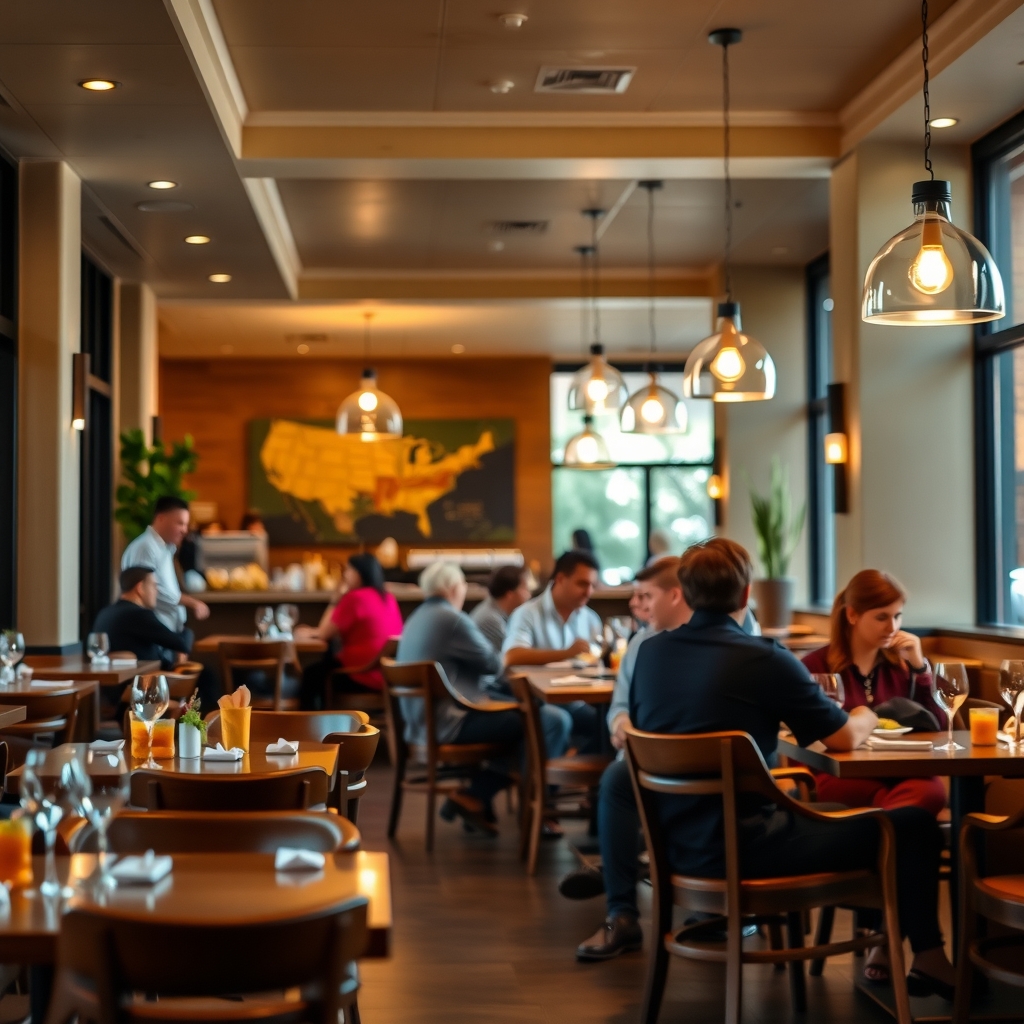
To improve visibility for a restaurant in Phoenix, AZ within thirty days, audit your Google Business Profile, update your menus and hours consistently across the web, gather recent customer reviews, and ensure your business data is formatted so AI assistants like ChatGPT, Gemini, and Perplexity can easily read and recommend your dining room.
Running a restaurant in Phoenix, AZ means competing in a vibrant, fast-growing culinary scene that stretches from Downtown and the Biltmore area all the way out to Gilbert and Glendale. Local diners and visitors are constantly searching for a great spot to eat, whether they are looking for authentic Southwestern cuisine, a quiet patio for the cooler months, or a quick lunch downtown. But how people search for food has shifted dramatically. Instead of just scrolling through a traditional list of blue links on a search engine page, diners now turn to AI assistants like ChatGPT, Google Gemini, Microsoft Copilot, and Perplexity to ask direct questions: "Where is the best local spot for tacos in central Phoenix?" or "Recommend a quiet restaurant with outdoor seating near me." If your restaurant is not set up properly, those AI tools simply will not mention your name.
This guide lays out a practical, step-by-step 30-day visibility plan designed specifically for independent restaurant owners and managers in Phoenix, AZ. By focusing on how both traditional search engines and modern generative AI tools gather and interpret information, you can position your kitchen to be the answer people receive when they are hungry and ready to order.
Why do AI assistants and Google ignore some Phoenix restaurants?
AI assistants do not "browse" the internet the way a human does. They look for structured, consistent, and trusted data across the web. If your restaurant's operating hours on your website conflict with your social media pages, or if your menu is trapped inside an unreadable PDF image file instead of plain text, AI tools will struggle to understand what you serve. Furthermore, Google relies heavily on signals like verified customer reviews, clear local citations, and a meticulously updated Google Business Profile to determine whether your dining room is active, reputable, and relevant to a user's search query.
Week 1: Audit and optimize your core digital foundation
Your first week should be entirely dedicated to tightening up the foundational digital assets that both Google and AI engines inspect first.
- Claim and verify your Google Business Profile: Ensure your primary category is accurate (e.g., "New American Restaurant," "Mexican Restaurant," or "Steak House"), not just a generic "Restaurant." Add high-quality photos of your interior, exterior, and signature dishes.
- Standardize your Name, Address, and Phone number (NAP): Check that your business details match identically across your website, Facebook, Yelp, TripAdvisor, and Apple Maps. Inconsistencies confuse AI crawlers and can cause them to drop your listing from local recommendations.
- Publish text-based menus: Convert image-only PDF menus on your website into clean, readable HTML text so search engines and AI assistants can parse your dishes, ingredients, and pricing.
Week 2: Build a steady rhythm for customer reviews
Reviews are a massive trust signal for both human diners and AI algorithms. When an AI assistant evaluates which restaurant to recommend in Phoenix, it scans recent reviews for keywords related to food quality, service speed, ambiance, and dietary options.
- Train your front-of-house staff to mention reviews naturally at the end of a great meal.
- Use automated or manual text/email follow-ups for online orders and reservations.
- Respond professionally to every review, both positive and negative, using natural language that mentions popular dishes or your neighborhood.
Week 3: Align your content with local dining habits
Diners in the Valley of the Sun have unique seasonal habits. From snowbirds arriving in the fall to locals seeking indoor air conditioning during the peak heat of summer, your online messaging should reflect how people actually live and dine in Phoenix.
Update your website with clear mentions of your local context. If you feature a shaded misters-equipped patio, highlight that prominently. If you source ingredients from local Arizona farms or partner with regional breweries, write about it clearly in your blog or news section. AI tools love specific, contextual details when matching a user's prompt to a local business.
How does the brAIn keep your restaurant data consistent across AI tools?
As a restaurant owner, you do not have time to manually update dozens of different AI platforms, mapping apps, and search engines every time your menu changes or your holiday hours shift. This is where brAIn comes in. The brAIn maintains a single, verified knowledge base for your Phoenix restaurant, automatically feeding accurate data—such as your latest menu items, specials, operating hours, and location details—directly to the various AI tools and search engines that power modern local discovery. By keeping your digital facts straight in one central hub, it ensures that whether a customer asks ChatGPT, Gemini, or Copilot for a dinner recommendation, every AI tool gives the exact same accurate answer about your business.
Week 4: Monitor, measure, and refine your visibility
In your final week of this 30-day sprint, evaluate your progress. Check your Google Business Profile insights to see how many people found your listing via search versus maps. Search for your restaurant categories using different AI assistants to see if your name begins appearing in synthesized recommendations. Visibility is not a one-time fix; it requires maintaining fresh photos, steady review generation, and accurate operational data as your menu and seasons change.
Key takeaways
- AI assistants look for structured, consistent data, not just pretty websites.
- Your Google Business Profile and text-based menus form the foundation of local AI search.
- Consistent customer reviews act as powerful trust signals for both Google and generative AI.
- Seasonal local details help AI match your restaurant to specific diner prompts in Phoenix.
- Centralizing your business facts prevents conflicting information across different AI tools.
Ready to see where your restaurant stands today? Take a moment to run your free AI scan to check your local visibility across major AI platforms, and let's talk about how to get your tables filled.
KJ Struz
KJ Struz is the COO of Haloe Accelerated Wellness and an AIrecommend.ai partner. His focus is the future of healthcare: helping people and employers get better outcomes at lower costs. KJ helps business owners get found where customers now look first. When someone asks an AI assistant who to trust, he makes sure your business is part of the answer.
Talk to KJIs AI recommending your business in Phoenix?
Run a free AI visibility scan in about a minute. You'll see who AI names instead of you, then get a free 15-minute walkthrough with KJ.
Run my free AI scan