Why AI Misses Your Salt Lake City Restaurant & How to Fix It

Sales Partner · AIrecommend.ai Utah
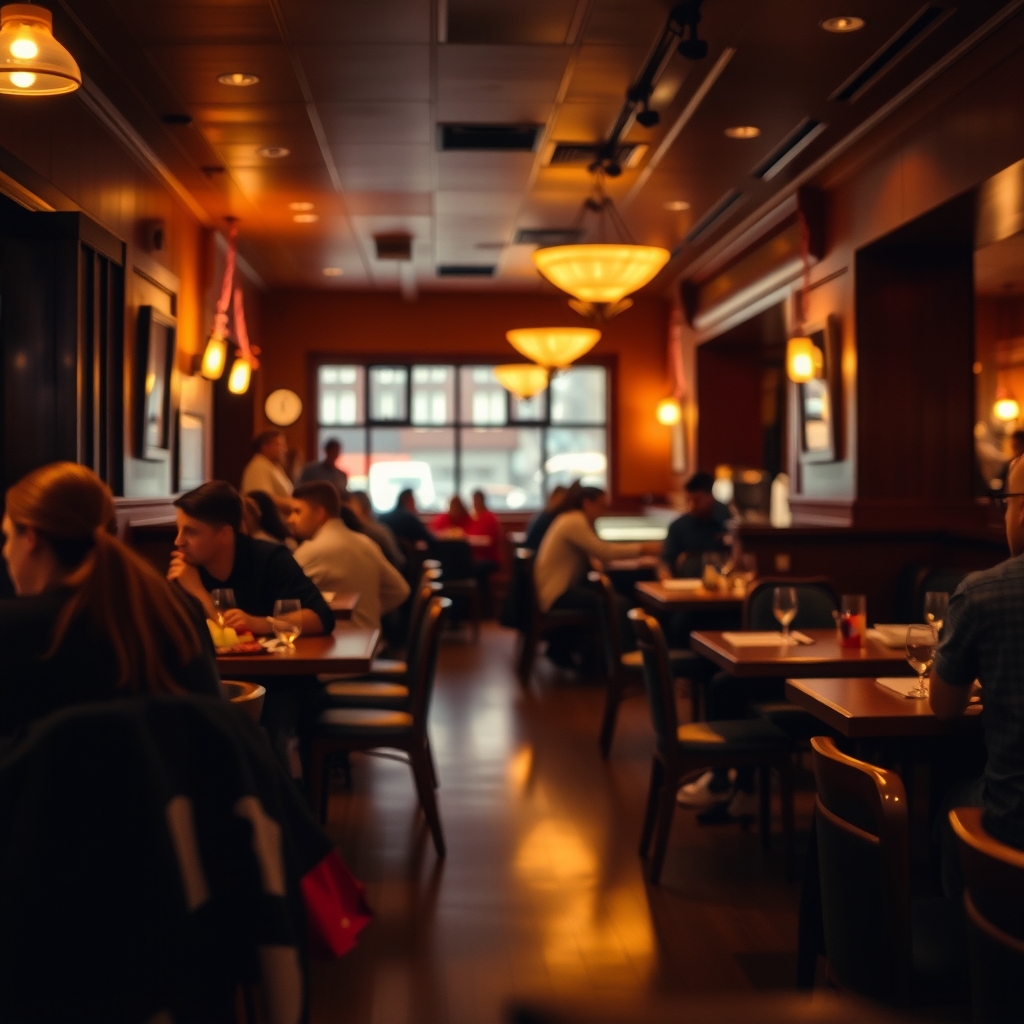
Salt Lake City restaurants get left out of AI recommendations when their digital footprint lacks structured menu data, consistent local business citations, fresh reviews, and active customer engagement signals across the web. To fix this, update your Google Business Profile, publish clear text-based menus, and maintain an active digital presence so AI assistants like ChatGPT and Google AI Overviews can easily read, verify, and recommend your dining room to local diners.
If you run a restaurant in Salt Lake City, UT, you already know that word of mouth is changing. Diners downtown, around Sugar House, or up toward the avenues are no longer just scrolling through traditional search engines or flipping through printed guides. Increasingly, they are opening ChatGPT, Gemini, Perplexity, or Microsoft Copilot and asking conversational questions like, "Where is a great spot for handmade pasta near downtown Salt Lake City?" or "Can you recommend a cozy patio dinner in Salt Lake Valley?"
When these queries run, the AI assistant scans the web, synthesizes reviews, reads local directories, and names a short list of top recommendations. If your culinary offerings, atmosphere, and service are exceptional, but your restaurant is nowhere to be found in those answers, you are losing covers to competitors who may not serve food half as well as you do.
AI visibility is not about luck; it is about how clearly algorithms can read, interpret, and trust your digital footprint. As an AI business strategist working with operators across Holladay, Millcreek, Murray, and Salt Lake City, I see great kitchens get bypassed every day simply because their online setup speaks human fluently, but speaks machine poorly. Here is why great restaurants get left out of AI recommendations and how you can fix it step by step.
Why is my Salt Lake City restaurant invisible to ChatGPT and Gemini?
AI assistants do not taste food, walk past your neon sign, or smell your simmering sauces. They rely entirely on digital data. When an AI builds a recommendation list, it looks for consensus across the web. If your website is a single PDF menu, if your hours are outdated on third-party directories, or if your online mentions are quiet, the AI simply cannot verify that your dining room is open, reliable, and relevant to the user's specific craving.
Furthermore, generative engines prioritize structured clarity. Traditional search engines used to reward keyword stuffing, but modern AI looks for context. It wants to know your exact cuisine type, price point, dietary accommodations, neighborhood vibe, and seating arrangements. If that information is fragmented, hidden inside an image file on your social media, or missing entirely from your core web properties, the AI will default to restaurants with cleaner, more accessible digital profiles.
How do I make my menu and restaurant details readable for AI search?
AI models cannot easily parse text trapped inside design images, PDFs, or poorly coded website carousels. If your menu is a downloadable graphic file, a language model trying to read it often sees a blank wall.
To make your menu completely legible to AI crawlers, ensure every dish, description, and price is written out as standard website text. Categorize your offerings logically with clear headings like Starters, Entrees, Desserts, and Drinks. Include explicit notes about local dietary preferences common in Utah, such as gluten-free, vegan, or halal options, spelled out clearly in the text. When an AI can effortlessly scan your menu items, it can match specific user cravings—like a particular cut of steak or a specific style of dessert—directly to your kitchen.
What steps should I take to fix my local citations and business profile?
Consistency is the absolute foundation of local AI visibility. AI models cross-reference data from multiple sources to confirm that your restaurant exists and is operating smoothly. If your address on your website says one thing, your Google Business Profile says another, and an old food directory lists an outdated phone number, the AI loses confidence and leaves you out of the final recommendation.
Here is a simple numbered checklist to align your local presence:
- Audit your Google Business Profile: Ensure your primary category is accurate, your hours are updated for seasonal changes, and your service attributes reflect your actual dining experience.
- Clean up directory listings: Check major map platforms, food apps, and local Utah directories to ensure your business name, address, and phone number match identically everywhere.
- Publish clear text-based menus: Remove PDF menu dependencies and build native web pages for your food and drink offerings.
- Encourage descriptive reviews: Train your front-of-house staff to encourage happy guests to mention specific dishes or the atmosphere when they leave feedback online, as AI models love descriptive qualitative reviews.
- Keep your website mobile-fast: Diners searching on their phones while walking down Main Street expect instant answers, and AI search engines favor fast-loading, mobile-optimized sites.
How can turning old customer lists into revenue improve my digital footprint?
One of the most overlooked aspects of digital marketing for restaurants is re-engaging past guests, event inquiries, and catering leads. When you have a steady stream of communication with people who have already shown an interest in your food, you generate fresh website traffic, new reviews, and consistent local brand mentions. This ongoing digital activity sends strong signals to AI crawlers that your business is vibrant and active.
Tools like the Harvest help restaurants in Salt Lake City automatically turn past customer lists, cold leads, and old catering inquiries into active new revenue without adding manual work to your plate. By systematically reaching out to existing contacts with personalized invitations, seasonal tasting event updates, or private dining offers, you drive repeat visits that naturally lead to fresh online reviews and social mentions—the exact fuel that AI assistants use to decide which local restaurants deserve a top recommendation.
Key takeaways
- AI assistants recommend restaurants based on clear, verifiable digital data rather than word-of-mouth reputation alone.
- PDF menus and image-based food lists prevent AI models from understanding what you serve.
- Consistent name, address, and phone details across all local directories build algorithmic trust.
- Engaging past guests and turning old inquiries into active diners creates the fresh digital signals AI loves to see.
Running a successful kitchen in Salt Lake City takes immense daily effort. Making sure AI assistants know how great your food is doesn't have to be a second full-time job. If you want to see where you stand in local AI search results, run your free AI scan today, and let's sit down for 15 minutes to review what ChatGPT and Gemini are currently telling diners across the Salt Lake Valley about your business.
Andrew Marino
I’m Andrew Marino, an AI business strategist, marketer, and tech-savvy operator with experience spanning enterprise sales, e-commerce, growth marketing, and entrepreneurship. I’m passionate about helping businesses leverage AI to sell smarter, market better, and operate more efficiently. I work with businesses in Holladay and across Utah to make sure that when customers ask ChatGPT or Gemini who to hire, your busines
Talk to AndrewIs AI recommending your business in Salt Lake City?
Run a free AI visibility scan in about a minute. You'll see who AI names instead of you, then get a free 15-minute walkthrough with Andrew.
Run my free AI scan